
 By
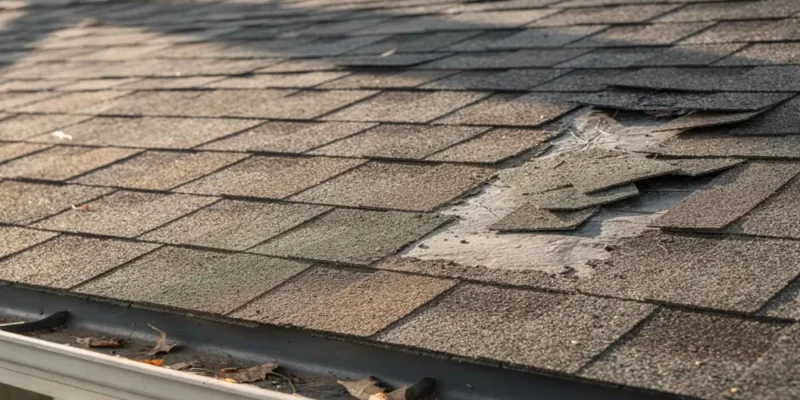
Most homeowners don’t think about their roof until water drips onto a ceiling. By then the problem has usually been growing for months, sometimes years. Shingles shed their granules a little at a time. Flashing loosens with every freeze and thaw. Moisture in the attic works on the roof boards where nobody looks. A roof rarely fails all at once. It wears down slowly, one small step at a time.
That slow decline is why regular inspections save more money than emergency calls do. Local contractors like Phillips Roofing LLC cover inspections, repairs, replacements, soft washing, gutters, siding and attic vents. That range shows how closely the parts of a home’s exterior depend on each other. A roof is more than shingles. It works as a system with drainage, airflow and the walls below it.
Once you understand how that system breaks down, you can spot trouble earlier and pay less to fix it. Here is what actually happens to a roof between installation and the day it needs to come off.
Weather Does Most of the Work
Hail gets the headlines, and for good reason. Even one strong storm can crack shingles, dent metal vents and knock loose the protective granules. Some hail damage is obvious. More often it shows up as soft, bruised spots that look fine from the ground and only start leaking a year or two later.
Temperature swings do quieter but steadier harm. In regions with cold winters and humid summers, the roof expands and contracts hundreds of times a year. Nails slowly back out. Sealant strips lose their grip. Wet winters add another stress, because water that gets under a lifted shingle can freeze, expand and widen the gap.
Summer heat finishes the job. Dark asphalt shingles can get far hotter than the air around them. Over the years that heat dries out the asphalt, and the shingles become brittle and curl at the edges.
Granules Are the Roof’s Sunscreen
The gritty surface on an asphalt shingle isn’t decoration. Those ceramic-coated granules shield the asphalt from ultraviolet light, which breaks it down quickly once it’s exposed.
Some granule loss is normal in the first few months after installation, as loose extras wash away. After that, steady loss is a warning sign. Look in your gutters and at the bottom of your downspouts. If you find small piles of what looks like coarse sand, your shingles are losing protection faster than they should.
Bald patches, where the dark asphalt shows through, mean that section of the roof is aging much faster than the rest. Patches often line up with places where hail hit hardest or where tree branches rub against the surface.
Those Dark Streaks Are Alive
Black or dark green streaks running down a roof are often mistaken for dirt or mildew. In most cases they’re a blue-green algae called Gloeocapsa magma. It feeds on the limestone filler in many asphalt shingles and spreads easily from roof to roof on wind and wildlife.
Algae doesn’t usually cause leaks on its own, but it does a few things homeowners should know about. It holds moisture against the shingle surface. It can make way for moss, which lifts shingle edges and lets water underneath. And dark streaks absorb more heat, which can speed up aging on the slopes that face the sun.
How you clean a roof matters a lot. A pressure washer can strip granules right off and shorten the roof’s life in one afternoon. Soft washing uses low-pressure water with cleaning solutions that kill the organisms at the root. That’s why most shingle makers recommend it over high pressure.
The Attic Shapes What Happens Above It
Many roofs that seem to fail early were actually damaged from below. A poorly ventilated attic traps heat in summer and moisture in winter, and both wear on the roof from the inside.
In summer, a hot attic bakes the underside of the roof boards and shingles, which speeds up drying and cracking. In winter, warm, damp air rising from the living space hits the cold roof boards and condenses. Over time that moisture can rot the wood, rust nails and feed mold. The EPA’s guide to mold and moisture names roof leaks as a common source of hidden mold and stresses controlling moisture before it spreads.
Good ventilation balances intake vents along the soffits with exhaust vents near the ridge, so air moves steadily through the attic. Frost on the nails in winter, a musty smell or stained roof boards all suggest that balance is off. Fixing it costs far less than replacing roof boards later.
Gutters and Siding Share the Load
Gutters are easy to forget, yet they decide where thousands of gallons of water go every year. When they clog, water backs up under the first row of shingles and soaks the fascia boards. In cold months that backed-up water can freeze into ice dams that push even more moisture under the roof.
Sagging or poorly pitched gutters cause similar trouble without a single leaf in them. Water spills over the edge, splashes against the siding and pools near the foundation. Damaged siding then lets moisture into wall cavities, which can travel up toward the roof line.
Seen this way, a clean gutter is one of the cheapest forms of roof protection there is. It’s worth checking every spring and fall, and after any heavy storm.
Knowing When Repair Stops Making Sense
Repairs make sense when damage is limited to one area and the rest of the roof is sound. A few missing shingles after a windstorm, a cracked boot around a vent pipe or loose flashing at a chimney can usually be fixed for a small part of what a replacement costs.
The math changes as a roof gets older. Most asphalt roofs last roughly 20 to 30 years, depending on the shingle quality, the ventilation and how harsh the local weather is. When a roof near the end of that range needs repair after repair, the money spent often adds up toward a replacement that will happen anyway.
Widespread granule loss, curling across several slopes, sagging roof boards and repeated leaks in different spots all point toward replacement. After a major hail event, a professional inspection also helps you document storm damage clearly. That record matters when you work with an insurance adjuster.
Small Habits Add Years
Looking after a roof doesn’t take much effort. It mostly comes down to paying attention. A walk around the house after big storms, a look into the gutters each season and a quick check of the attic with a flashlight will catch most problems while they’re still small and cheap to fix.
Trimming branches that hang over the roof cuts down on both physical scraping and the shade that helps moss grow. Gentle cleaning keeps algae from settling in. Having a professional inspect the roof every few years, especially after hail, adds a trained eye to what you can see from the ground.
A roof protects everything beneath it, yet it’s the part of a house people look at least. Giving it a little attention on a regular schedule is often what decides whether it lasts its full lifespan or wears out years early.


Comments