
 By
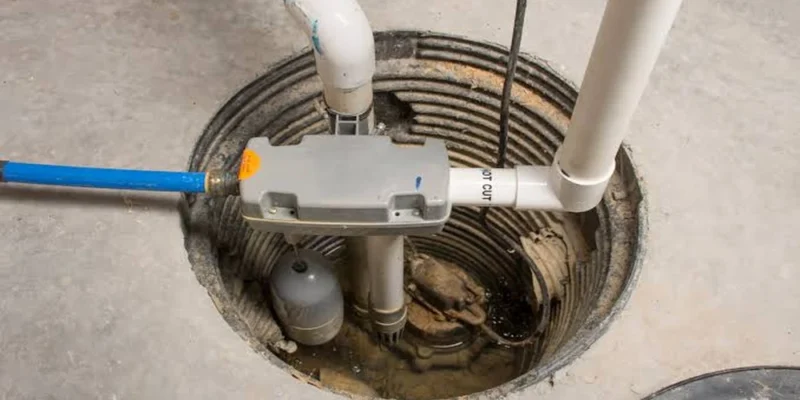
The scariest sound in a basement is no sound at all. The rain is coming down, the yard is soaking it up, and somewhere under the stairs a pump that should be roaring is sitting perfectly still. That silent failure is the one the technicians at PlumbCrazy, a Maryland plumbing company serving Abingdon and Bel Air since 1986, see after almost every big storm. The good news is that most of it can be prevented with a bit of timing, so this guide follows the clock from weeks before a forecast to the morning after.
Weeks Before the Forecast
Start with what you own. A sump pump collects groundwater in a pit, usually at the lowest point of the basement or cellar, and pushes it away from the house when the water rises to a set level. Two designs are common. A pedestal pump sits on a stand above the pit, cannot be submerged and moves water more slowly, which makes it a decent precaution for a house that rarely sees water. A submersible pump sits in the pit, moves more water and tends to last longer, so it suits a home that depends on it often.
Problems usually trace back to a short list of causes.
- A pump that is the wrong size for the volume of water arriving
- A flow rate that does not match the demand
- A unit that seized because it sat unused for months
- No backup power when the storm also knocks out electricity
Age matters as well. Many pumps are replaced about every ten years, and one that is approaching that mark deserves extra attention.
The Two Minute Bucket Test
This is the single most useful habit. Pour water slowly into the pit until the float rises and the pump should kick on. If it starts and clears the water quickly, you are in good shape. If nothing happens, the pump may be seized, and it needs professional service before the next downpour.
While you are there, look at the intake screen at the bottom of the pump and clear any debris. Then walk outside and follow the discharge pipe. The water should leave the house at least twenty feet away, ideally onto sloping ground where it can soak in or run toward a public drainage path. The air gap on the discharge line must stay open, because a blocked line can push water back toward the pit and burn out the motor. A municipal sump pump guide covers these checks in plain language if you want a second opinion. Keep gutters clean and downspouts pointed away from the foundation as well.
A Day Out
When a serious storm is on the way, run through a short routine.
- Repeat the bucket test one more time
- Confirm the pump is plugged into an outlet that works, and learn where its GFCI reset button lives
- Move boxes, rugs and anything valuable off the basement floor
- Charge any battery backup and check its connections
- Save your plumber’s number somewhere easy to find
Lightning can trip a GFCI outlet and cut power to the pump without anyone noticing. A quick glance at the reset button during the storm is worth the trip downstairs.
When the Lights Go Out
Pumps run on electricity, and heavy rain and power outages like to arrive together. A battery backup system or a generator keeps the pump working when the grid does not. Some homeowners add a second pump as insurance in case the main one fails or gets overwhelmed. A water level alarm gives a loud warning if the pit starts to fill faster than the pump can keep up.
Safety comes first. Never wade into standing water if the basement has electrical outlets, panels or appliances in it. If water is rising and you cannot tell whether power is safely off, stay upstairs and call for help. Many plumbers take after hours emergency calls by phone, so keep that line handy.
Signs a Pump Is on Borrowed Time
Pumps rarely fail without hints. Watch for the following.
- Loud rattling, grinding or humming when it runs
- A motor that cycles on and off constantly or runs nonstop
- Visible rust or corrosion on the casing or pipe
- Water that rises slowly before the pump engages
- An age close to or beyond a decade
Any one of these is a reason to schedule an inspection during dry weather rather than waiting for the next forecast.
The Morning After
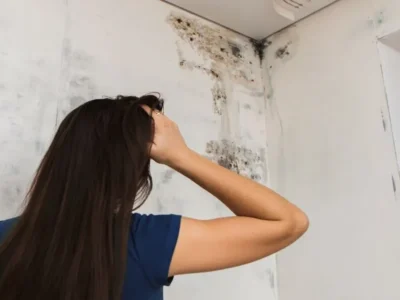
Once the storm passes and it is safe, take stock. Check that the pump has drained the pit and is not running continuously. Clean the intake screen, confirm the discharge line is clear and look for new cracks or leaks. Dry any wet areas quickly, since mold can begin growing within a day or two on damp materials.
Pay attention to the smell and color of any water that reached the floor. Backed up sewage or water from floor drains means something larger is going on, and a plumber should check the sewer line and any backflow prevention devices. Backflow devices need periodic testing and certification, which is another maintenance item many homeowners forget.
Choosing Who You Call
A good plumber explains options plainly, gives a price before starting work and does not begin until you approve. Steve Bogan began plumbing in 1977, grew a business into a seventy five person operation and then refocused on helping homeowners with repairs, and that history shows in how the company approaches sump pump repair and installation by certified technicians. It is a HomeAdvisor screened and approved pro serving Harford County, and discounts such as 25 dollars off a service call and 10 percent off for active military and law enforcement are currently listed. Call (410) 679-7575 to reach the office at 1302 Continental Drive in Abingdon.
Whatever you decide, do the bucket test this week. Two minutes with a bucket of water is the cheapest storm insurance you will ever buy.








Comments