
 By
By 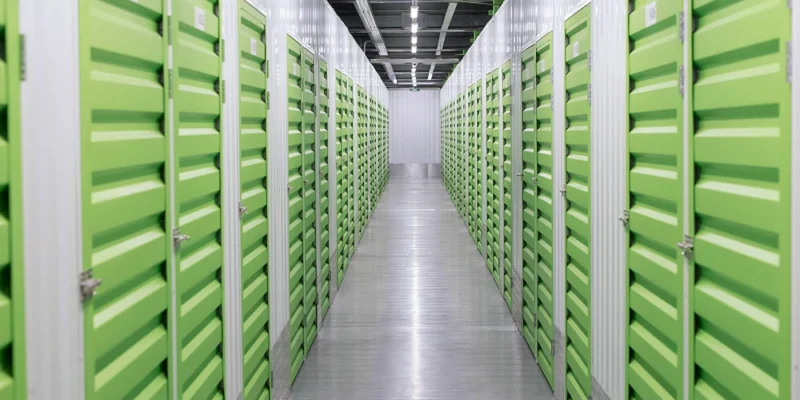
Image Recommendation: A row of clean, labelled storage lockers and unit doors in a well-lit facility corridor.
Ask three different storage providers for a quote and you’ll likely get three different numbers, none of which quite line up with the figure you saw advertised online. That’s not necessarily dishonest marketing. Self storage pricing genuinely moves with a handful of specific factors, and the advertised “from” price is usually the smallest, least air-conditioned, least conveniently located unit available. Understanding what actually drives the number makes it far easier to compare quotes properly instead of guessing.
What Actually Determines Self Storage Price in Singapore
The single biggest driver of self storage price in Singapore is unit size, but it’s far from the only one. Climate control adds a noticeable premium, since maintaining stable temperature and humidity costs more to run than a standard unit, and it matters more for anything sensitive to heat or moisture, like electronics, documents or wooden furniture. Location plays a role too, with facilities closer to the city centre generally commanding higher rates than ones further out. Extra services such as item collection, delivery, or extended access hours beyond standard business hours also add to the base rent.
Rental duration affects the final number as well. Providers commonly offer better rates for longer commitments, sometimes through a discounted monthly rate or a free month bundled into a longer contract, which is worth asking about directly since it’s rarely the headline price shown online.
A Rough Price Guide by Unit Size
| Unit Size | Typical Monthly Price | Suits |
| Small (9-20 sqft) | $50-$100 | Documents, luggage, seasonal items |
| Medium (20-80 sqft) | $120-$300 | Furniture, small business inventory |
| Large (80-140 sqft) | $300-$450 | Apartment moves, bulky items |
| Extra-large (150+ sqft) | From $500 | Full household moves, large stock |
These figures move depending on the specific facility, its location and whether it’s air-conditioned, but they give a reasonable starting point for budgeting before requesting an actual quote for your items and timeline.
Getting the Size Right Before You Book
Guessing at a unit size is where most people either overpay or end up needing a second unit halfway through their rental. A rough rule that works reasonably well: a small unit suits the contents of a single wardrobe or a few dozen document boxes, a medium unit fits the furnishings of a one-bedroom flat, and a large unit generally holds the contents of a full three-room flat during a renovation or move. Extra-large units are usually reserved for households consolidating an entire home, or businesses storing pallets of stock.
It helps to physically list out what’s being stored rather than estimating from memory, since bulky but light items like mattresses and sofas take up far more floor space than their weight suggests. Facilities will often recommend sizing up slightly rather than squeezing everything in, since a cramped unit makes retrieving anything from the back a genuine hassle later on.
When Locker Rental Works Out Cheaper Than a Storage Unit
Not everyone storing something in Singapore needs a full unit. For smaller volumes, locker rental in Singapore tends to start from around $50 to $70 a month, which is comparable to the smallest storage units but without the same floor space you’d never actually use. A locker suits documents, small electronics, seasonal items, business samples, or hobby equipment: things you want secured and off-site, but that would rattle around in even the smallest storage room. Students, expats between leases and small business owners holding retail stock are typical locker renters, since the volume rarely justifies a full unit.
Costs That Rarely Show Up in the Advertised Price
- Security deposits, usually refundable but tying up cash upfront
- Storage insurance, sometimes mandatory rather than optional
- Lock purchase, if one isn’t already included with the unit
- Administrative or registration fees charged on sign-up
- GST, which some advertised rates exclude until the final invoice
None of these is unusual or hidden in bad faith, but they do change the real monthly cost meaningfully once added up. Asking for an all-in figure before signing avoids the surprise of a bill that’s noticeably higher than the price first quoted.
The right size and format usually becomes obvious once the actual volume of items is laid out, rather than estimated. A quick chat with a facility about what’s actually being stored tends to settle it faster than comparing prices in isolation.
To get an accurate quote based on what you need to store, Contact SelfStore for current rates at either facility.










Comments