
 By
By 
Condo living brings a unique mix of convenience and constraints. Limited floor area, shared services, and fixed layouts shape how spaces function. Choosing a suitable design style helps daily routines flow smoothly while keeping rooms comfortable and practical. A clear approach to planning begins with understanding how a condo functions, not how it appears in styled images.
Understanding Condo Layouts Before Picking a Style
Most condos follow compact, efficient layouts. Walls separate private and shared spaces, while service points remain fixed. Before settling on any style, it helps to assess natural light, ceiling height, and circulation paths. Such factors influence furniture size, storage options, and colour choices.
Layouts play a central role during projects on interior design for condos. A long living area suits linear furniture arrangements, while squarer rooms allow flexibility. Choosing a style aligned with the existing layout reduces the need for heavy structural work.
Minimalist Styles for Smaller Condos
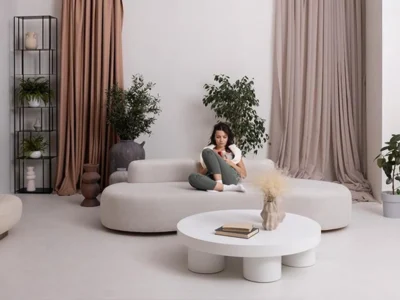
Minimalist styles focus on clean lines and reduced visual clutter. Fewer finishes and a restrained colour palette help rooms feel calmer and easier to manage. Storage remains concealed, keeping sightlines clear and movement unrestricted.
Minimalist planning suits interior design and renovation work where maintenance and durability matter. Reduced material variety simplifies upkeep and limits visual noise across daily use.
Contemporary Styles That Balance Form and Function
Contemporary interiors combine simple forms with practical materials. Neutral tones sit alongside texture from wood or fabric, adding warmth without visual overload. Furniture frequently serves more than one purpose, such as seating with built-in storage.
Within many interior designs for condos, contemporary styling adapts well to changing routines. Modular pieces allow rearrangement as living needs shift across different life stages.
Industrial Styles in Urban Condo Settings
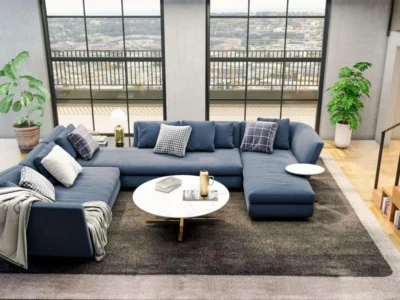
Industrial styles feature exposed finishes, darker tones, and visible structure. Concrete textures, metal accents, and open shelving define the look. Careful planning keeps the space comfortable rather than stark.
Selective use guides interior design and renovation choices here, avoiding full exposure across every surface. Lighting placement and acoustic treatment also require attention to maintain comfort in smaller units.
Scandinavian Styles for Light and Comfort
Scandinavian interiors prioritise light, warmth, and usability. Pale colours reflect daylight, while wood finishes add texture. Furniture remains functional and well-proportioned, encouraging relaxed daily use.
Such an approach works well during interior design for a condo where natural light plays a key role. Practical storage and open planning help rooms feel welcoming without excess decoration.
Choosing Styles Aligned With Daily Routines
Design styles should reflect how a home is used. Cooking habits, work-from-home needs, and storage requirements all influence suitable finishes and layouts. A style that looks appealing yet disrupts movement quickly becomes frustrating.
Evaluating daily routines during interior design and renovation reduces the risk of mismatched choices. Durable surfaces, adequate lighting, and clear walkways contribute to long-term comfort across different styles.
Coordinating Styles Across Shared Spaces
Condos frequently feature open-plan living and dining areas. Consistent styling across such zones helps the home feel cohesive. Colour palettes, materials, and furniture scale relate without becoming repetitive. For interior design for condos, coordination reduces visual clutter. Subtle variation through texture or lighting keeps spaces distinct while maintaining flow between areas.
Balancing Personal Taste With Practical Limits
Personal style matters, yet condo regulations and structural limits shape what remains possible. Built-in elements, waterproofing rules, and noise considerations guide design decisions. Understanding boundaries early prevents costly revisions. Clear communication during planning keeps expectations realistic. Styles chosen within practical limits age well and require fewer adjustments over time.
Making Informed Style Choices That Last
Design styles come and go, yet practical decisions carry weight. Choosing finishes and layouts based on daily use patterns keeps spaces comfortable across years. The aim stays ease of use, not visual impact alone.
If you are considering interior design and renovation for condo living and want guidance that balances style with practicality. Contact MYD Interior Studio to review options and align your condo design with everyday needs.







Comments