
 By
By 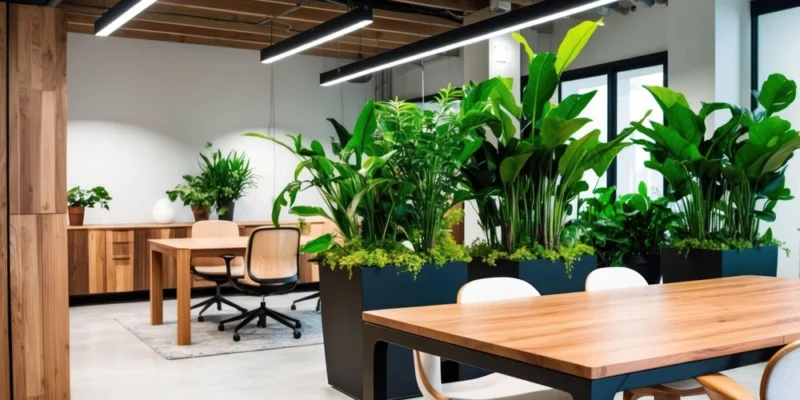
Key Takeaways
- Office floor plants should be replaced when they show signs of irreversible decline or no longer suit the workspace.
- Persistent pest infestations and recurring diseases often make replacement more practical than treatment.
- Plants that have outgrown their containers or available space may need to be refreshed with more suitable varieties.
- Changes to office layouts or lighting conditions can make existing plants unsuitable.
- Working with a florist can help businesses maintain a healthy and professional indoor plant display.
Introduction
Healthy office floor plants contribute to a professional workplace, create a welcoming atmosphere, and support a comfortable indoor environment. However, every plant has a lifespan within commercial settings. Indoor conditions, limited sunlight, air-conditioning, and daily foot traffic can gradually affect plant health and appearance. Rather than keeping plants that no longer perform well, businesses should know when replacement is the better option. Refreshing plant displays at the right time helps maintain a neat office image while reducing ongoing maintenance costs. The following situations indicate that it may be time to replace or refresh office plants.
When the Plant Shows Irreversible Damage or Decline
A plant should be replaced when it has extensive leaf loss, widespread yellowing, severe stem damage, or significant root deterioration that cannot be corrected through normal care. While occasional brown leaves or temporary stress are common, continuous decline despite proper watering, fertilisation, and pruning usually indicates permanent damage. Plants in poor condition can negatively affect the appearance of reception areas, meeting rooms, and shared workspaces. Replacing them with healthy specimens helps maintain a clean and organised commercial environment while reducing the time spent trying to revive plants with limited chances of recovery.
When Pest or Disease Problems Continue to Return
Repeated infestations of insects or recurring fungal and bacterial diseases are another reason to replace a plant. Mealybugs, spider mites, scale insects, and fungus gnats can spread quickly throughout an indoor plant collection if left unmanaged. Likewise, root rot and leaf spot diseases may continue to affect weakened plants even after treatment. In commercial settings where multiple plants are displayed together, replacing heavily affected specimens can protect healthier plants nearby. This approach also reduces maintenance interruptions and prevents pest problems from becoming larger facility management issues.
When the Plant Has Outgrown Its Space or Container
Some plants eventually become too large for the office space allocated to them. Overgrown roots, crowded foliage, or plants leaning into walkways can create maintenance challenges and even become safety concerns. Although repotting may solve some issues temporarily, there are situations where replacing an oversized plant with a more suitable species provides a better long-term solution. Selecting plants with mature sizes that match reception areas, corridors, or conference rooms helps maintain a balanced appearance while ensuring the display remains practical for everyday business operations.
When Office Renovations or Layout Changes Affect Growing Conditions
Commercial spaces frequently undergo renovations, furniture changes, or department relocations. These changes may reduce available natural light, alter air circulation, or expose plants to stronger air-conditioning vents. A plant that previously performed well may begin declining because its environment has changed. Rather than repeatedly relocating struggling plants, replacing them with varieties better suited to the new conditions is often more effective. Choosing plants based on the current workspace rather than the previous layout helps improve long-term survival and simplifies maintenance requirements.
When the Plant No Longer Reflects the Company’s Professional Image
Office plants contribute to the overall impression visitors, clients, and employees have of a business. Plants with sparse foliage, uneven growth, faded leaves, or outdated containers can make even well-maintained offices appear neglected. Refreshing older displays allows businesses to update their interiors while maintaining consistency with branding, décor, or seasonal design changes. A florist in Singapore can recommend suitable replacement plants that complement commercial interiors, match available lighting conditions, and fit ongoing maintenance capabilities. Regular updates also allow businesses to introduce new plant varieties that better suit evolving workplace designs.
Conclusion
Replacing plants should be viewed as part of routine workplace maintenance rather than a last resort. Office floor plants perform best when they remain healthy, proportionate to their surroundings, and suitable for their growing conditions. Replacing plants affected by irreversible decline, recurring pests, limited space, changing office environments, or outdated appearances helps businesses maintain attractive commercial interiors. By assessing plant condition regularly and consulting a florist when needed, organisations can keep their indoor greenery looking professional throughout the year.
Reach out to D’Spring and keep your workplace looking professional with healthy, well-maintained greenery.




Comments