
 By
By 
The Evolution of Plumbing and Sewer Services
For many homeowners, the thought of plumbing and sewer issues brings immediate dread. The potential for costly, disruptive repairs to aging cast iron pipes is a significant concern. Historically, fixing these problems often meant extensive excavation, tearing up yards and driveways, and even removing interior flooring.
However, a quiet revolution has been underway in residential plumbing: the rise of trenchless technologies, particularly the cast-iron pipe repair liner. These innovative approaches are transforming how we manage our home’s critical infrastructure.
In this comprehensive guide, we will explore modern solutions for repairing cast iron pipes. We will delve into what Cured-In-Place Pipe (CIPP) lining is and how it works. We will also compare its advantages and limitations against traditional replacement methods. Our goal is to empower you with the knowledge to make informed decisions about your home’s plumbing needs, ensuring durable, less-intrusive solutions for common issues, such as those addressed by experts in VanDerBosch cast iron pipe repair. We believe understanding these options is key to maintaining a healthy, functional home environment.
Cast iron pipes have been a staple in plumbing systems for over a century, prized for their durability and strength. However, even the most robust materials have a finite lifespan, and the cast iron pipes installed in many homes before the 1970s are now well past their prime. As these pipes age, they develop a range of problems that can severely impact a home’s plumbing and sewer efficiency.
Challenges with Aging Infrastructure
The main problems associated with aging cast iron pipes stem from their inherent material properties and decades of continuous use. Over time, cast iron is susceptible to:
- Corrosion and Tuberculation: Internally, cast iron pipes are prone to oxidation, leading to rust and the formation of mineral deposits known as tuberculation. This buildup narrows the pipe’s internal diameter, reducing flow capacity and leading to frequent blockages. This internal decay, often called “channel rot,” typically starts at the bottom of the pipe where wastewater accumulates.
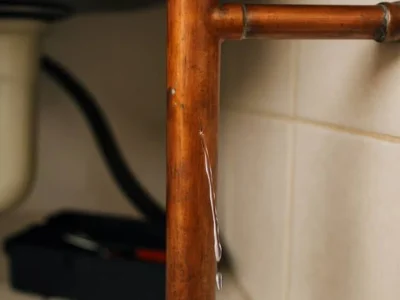
- Structural Cracks and Deterioration: The constant flow of water, temperature fluctuations, and ground movement can lead to hairline cracks, fractures, and even complete pipe collapse. These cracks can snag debris, exacerbate blockages, and allow wastewater to seep into the surrounding soil, posing environmental and health risks.
- Root Intrusion: Tree roots are naturally drawn to sources of water and nutrients. Even the most minor crack or loose joint in a cast iron pipe provides an entry point for roots, which then grow inside, creating severe blockages and further compromising the pipe’s structural integrity.
- Joint Failure: Older cast iron pipes often used bell-and-spigot joints sealed with oakum and molten lead or cement. Over time, these seals can deteriorate, leading to leaks, groundwater infiltration, and sewage exfiltration.
- Environmental and Health Risks: Leaking sewer pipes can contaminate soil and groundwater, leading to unpleasant odors, pest infestations, and potential health hazards for residents.
- Property Damage: Persistent leaks can cause significant damage to foundations, floors, and walls, leading to costly repairs beyond the plumbing system.
- Frequent Sewer Backups: The cumulative effects of corrosion, cracks, and root intrusion often manifest as recurring sewer backups that are not only inconvenient but can also cause extensive water damage and unsanitary conditions within the home.
These challenges highlight the critical need for practical, sustainable repair solutions that address the root causes of pipe degradation without further disrupting residential properties.
Advancements in Plumbing and Sewer Services
The plumbing industry has responded to these challenges with significant advancements, particularly in trenchless technology. These innovations offer less invasive, more efficient, and often more cost-effective alternatives to traditional dig-and-replace methods. Modern solutions focus on preserving existing landscapes and structures while restoring the full functionality and integrity of the plumbing system.
Key advancements include:
- Non-Invasive Diagnostics: High-resolution sewer video inspection has become standard, allowing plumbers to accurately identify the exact location and nature of pipe damage without any excavation. This precision is crucial for planning targeted repairs.
- Trenchless Repair Methods: Techniques like Cured-In-Place Pipe (CIPP) lining and pipe bursting have revolutionized pipe repair. These methods minimize disruption, reduce labor intensity, and accelerate project completion times.
- Advanced Materials: The development of durable epoxy resins and robust lining materials creates a new, seamless “pipe within a pipe” that is resistant to corrosion, root intrusion, and chemical degradation, offering superior performance compared to aging cast iron.
- Focus on Long-Term ROI: Modern solutions prioritize not just immediate repair but also the long-term return on investment, offering extended lifespans and reduced maintenance needs, enhancing property value and residential safety.
- Sustainable Practices: Trenchless methods reduce waste sent to landfills and minimize the environmental impact associated with extensive excavation and landscape restoration.
These innovations represent a paradigm shift in how we approach plumbing and sewer management, moving towards more innovative, more sustainable, and less disruptive solutions for our aging infrastructure.

Understanding Cured-In-Place Pipe (CIPP) Lining
Cured-In-Place Pipe (CIPP) lining is a trenchless rehabilitation method used to repair existing pipelines without extensive excavation. For cast iron pipes, it’s a game-changer, offering a structural, long-lasting solution to common problems like corrosion, cracks, and root intrusion.
How CIPP Lining Works for Cast Iron Pipes
CIPP lining essentially creates a new, seamless pipe within the existing damaged cast iron pipe. Here’s a breakdown of how it works:
- Preparation: The process begins with a thorough inspection using a high-definition CCTV camera to assess the pipe’s condition and identify problem areas. Following the inspection, the pipe is meticulously cleaned using methods like hydro-jetting or mechanical cleaning (e.g., specialized cutting tools) to remove all debris, scale, rust, and root intrusions. This creates a clean surface for the liner to adhere to.
- Liner Impregnation (Wet-Out): A flexible felt or fiberglass fabric tube, custom-sized for the host pipe, is saturated with a specialized epoxy resin mixture. This “wet-out” process is often done off-site under controlled conditions to ensure uniform saturation.
- Liner Installation: The resin-saturated liner is then inserted into the existing cast iron pipe using one of several methods:
- Inversion Method: The liner is inverted (turned inside out) into the host pipe using air pressure or water pressure. As it inverts, the resin side presses against the inner walls of the existing pipe.
- Pull-in-Place Method: The liner is pulled through the existing pipe from one access point to another. Once in place, a calibration tube or bladder is inflated inside the liner to press it firmly against the host pipe walls.
- Curing: Once the liner is in place and pressed against the host pipe, the resin must cure. This is typically achieved through:
- Heat Curing: Hot water or steam is circulated through the liner, initiating a chemical reaction that hardens the epoxy resin. This process transforms the flexible liner into a rigid, structural “pipe within a pipe.”
- UV Curing: For some advanced systems, a UV light train is pulled through the liner, curing the resin quickly and efficiently.
- Exothermic Reaction: Some resins cure at ambient temperatures, relying on a chemical reaction that generates its own heat.
- Reinstatement and Final Inspection: After curing, the inflation device is removed. If there are any lateral connections (e.g., branch lines from sinks or toilets), robotic cutting tools are used to reopen them precisely from inside the newly lined pipe. A final CCTV inspection is performed to confirm the successful installation, verify the integrity of the new liner, and ensure all connections are clear.
The cured liner is a continuous, jointless, structural pipe that can withstand external pressure and internal flow, effectively sealing cracks, preventing root intrusion, and eliminating corrosion within the old cast iron pipe. This process adheres to rigorous industry standards, such as ASTM F1216 and ASTM F1743, ensuring a high-quality, reliable repair.
The Technical Process of Pipe Restoration
The technical process of CIPP lining is a sophisticated sequence of steps, each critical to the success and longevity of the pipe restoration.
- CCTV Inspection: A preliminary closed-circuit television (CCTV) inspection is paramount. This allows technicians to precisely locate and diagnose issues such as cracks, corrosion, root intrusion, offset joints, and potential collapses. It also provides critical measurements for the liner’s length and diameter.
- Pipe Cleaning: The existing cast iron pipe must be thoroughly cleaned. This often involves:

- Hydro Jetting: High-pressure water jets remove grease, sludge, and loose debris.
- Mechanical Cleaning: Specialized tools, such as rotating carbide chain flails, are used to scrape away heavy rust, scale, and stubborn root masses without damaging the host pipe. This step is crucial for ensuring proper adhesion of the new liner.
- Resin Wet-Out: The chosen fabric liner (typically felt or fiberglass) is saturated with a two-part epoxy resin. This “wet-out” is performed carefully to ensure complete and even saturation, which is vital for the structural integrity of the cured pipe.
- Liner Insertion: As described above, either the inversion or pull-in-place method is used to insert the resin-saturated liner into the host pipe.
- Inflation and Calibration: Once inserted, the liner is inflated using air or water pressure, or a calibration tube/bladder is inverted to press the resin-soaked material tightly against the inner walls of the existing pipe. This ensures a tight fit and allows the resin to fill any slight imperfections or cracks in the host pipe.
- Curing: Heat (hot water or steam) or UV light is introduced to initiate the curing process. The resin undergoes a chemical reaction, hardening into a rigid, impermeable pipe. For heat-cured systems, the exothermic reaction can raise the temperature inside the pipe to around 180°F (82°C).
- Reinstatement Cutting: If the lined pipe has lateral connections (e.g., from sinks, toilets, or floor drains), a robotic cutter, guided by CCTV, precisely cuts out the new liner material at these connection points, restoring full functionality to the branch lines.
- Final Verification: A post-lining CCTV inspection is conducted to verify the successful installation, confirm that the liner is smooth and free of defects, and ensure all lateral connections are fully open. This video is often provided to the homeowner as proof of the completed work.
This meticulous process ensures the CIPP liner effectively addresses issues such as corrosion, cracks, and root intrusion by creating a durable, seamless barrier that prevents future damage and restores optimal flow.
Comparing CIPP Lining vs. Traditional Pipe Replacement
When faced with aging cast iron pipes, homeowners often have two primary repair options: Cured-In-Place Pipe (CIPP) lining or traditional pipe replacement. Understanding the differences between these methods is crucial for making an informed decision that aligns with your budget, timeline, and property preservation goals.
Advantages of CIPP Lining
CIPP lining offers several compelling advantages over traditional replacement:
- Minimal Disruption: Perhaps the most significant benefit is its trenchless nature. CIPP avoids extensive excavation, meaning your yard, landscaping, driveway, and even interior flooring remain largely untouched. This preserves property aesthetics and reduces restoration costs.
- Cost-Effectiveness: While initial per-foot costs can sometimes be comparable, the overall project cost for CIPP is often significantly lower than traditional replacement. This is primarily due to reduced labor, equipment, and restoration expenses. For example, traditional replacement for a residential property can range from $15,000 to $25,000, whereas CIPP lining can be up to 70% less expensive, with residential costs typically between $150 and $200 per linear foot.
- Time Efficiency: CIPP projects are typically completed much faster than traditional replacements. While a conventional replacement might take days or even weeks (e.g., 2-4 weeks for a 50-foot sewer line, including excavation and restoration), CIPP lining can often be finished in a single day or a few days, minimizing inconvenience and downtime.
- Durability and Longevity: The new CIPP liner creates a seamless, jointless pipe that is highly resistant to corrosion, root intrusion, and chemical abrasion. It’s often rated for a lifespan of 50 years or more, providing a long-term solution.
- Improved Flow: The smooth, non-porous surface of the new liner improves hydraulic flow capacity, often better than the original pipe, and resists future buildup.
- Environmental Impact: CIPP is a more environmentally friendly option. It generates less waste (no old pipe or large amounts of soil to dispose of) and reduces the carbon footprint associated with heavy machinery and extensive digging.
Limitations of CIPP Lining
Despite its numerous benefits, CIPP lining does have limitations:
- Pipe Condition: CIPP relies on the existing pipe as a host. If the pipe is severely collapsed, has extreme offsets, or is missing large sections, CIPP may not be viable.
- Diameter Reduction: While minimal (typically 3-5mm), the liner does slightly reduce the pipe’s internal diameter. However, the smoother surface often compensates for this by improving flow.
- Cost for Small Sections: For very short, isolated repairs, the mobilization cost for CIPP equipment might make it less cost-effective than a small, targeted excavation.
Traditional Pipe Replacement
Traditional pipe replacement involves excavating a trench along the entire length of the damaged pipe, removing the old pipe, and installing a new one (typically PVC or HDPE).
- Advantages: It provides an entirely new pipe system, which can be beneficial if the existing pipe is beyond repair or if local codes mandate a complete material upgrade.
- Drawbacks: This method is highly disruptive, requiring extensive digging that can damage landscaping, driveways, and, potentially, foundations. It’s more labor-intensive, time-consuming, and significantly more expensive due to excavation, pipe material, and restoration costs. It also generates substantial waste.
Feature CIPP Lining Traditional Replacement Disruption Minimal (no trenching, minor access points) High (extensive excavation, landscape damage) Cost Generally lower (less labor, no restoration) Higher (excavation, new pipe, restoration, labor) Installation Time Hours to a few days Days to weeks Lifespan 50+ years 50-100+ years (depending on new material) Durability Seamless, corrosion-resistant, root-proof New pipe material, strong Environmental Impact Low (less waste, reduced carbon footprint) High (significant waste, heavy machinery) Pipe Condition Requires host pipe to be largely intact Suitable for completely collapsed or missing pipes Flow Capacity Improved (smooth surface, minimal diameter reduction) New pipe diameter, excellent flow Cost and Time Efficiency in Plumbing and Sewer Services.
The cost and time efficiencies of CIPP lining are compelling for homeowners. Traditional replacement projects often involve weeks of inconvenience, with crews working on your property, and the subsequent need to repair damaged hardscape and landscapes. A project replacing 50 feet of sewer line under a landscaped yard could cost around $12,000, including restoration, and take 18 days (4 days for excavation, 11 days for replacement, 44 days for restoration). A commercial project to replace 100 feet of sewer line might take 3 weeks, including parking lot restoration.
In contrast, CIPP repairs can often be completed within hours or days. A commercial project lining 100 feet of sewer pipe could be completed in 1 day (1 day of prep, 1 day of cleaning, 2 days of lining/curing), minimizing operational disruption. This rapid deployment means tenants can often remain in their homes, and businesses can continue operations with minimal interruption. The long-term ROI is also significant, as the 50-year lifespan of a CIPP liner means fewer future repairs and sustained peace of mind.
From an environmental perspective, CIPP dramatically reduces landfill waste. Traditional methods generate tons of old pipe, soil, and concrete. CIPP, by rehabilitating the existing pipe, significantly lessens this impact, making it a more sustainable choice for residential plumbing.
When to Choose Trenchless Solutions for Cast Iron Pipes
Deciding between CIPP lining and traditional replacement for cast iron pipes depends on several factors, primarily the extent of the damage, the pipe’s location, and specific site considerations.
Suitability for Trenchless Repair
CIPP lining is an excellent solution for cast iron pipes that exhibit:
- Corrosion and Pitting: Even heavily corroded pipes can be rehabilitated, as the liner creates a new, smooth, non-corrosive surface.
- Cracks and Fractures: CIPP seals all cracks, restoring the pipe’s structural integrity and preventing leaks.
- Root Intrusion: After thorough cleaning to remove existing roots, the seamless liner provides an impenetrable barrier against future root growth.
- Leaking Joints: The continuous liner seals all leaking joints, preventing infiltration and exfiltration.
- Offset Joints (minor): Minor offsets can often be bridged and sealed by the flexible liner.
- Accessibility Challenges: CIPP is ideal for pipes located under foundations, driveways, mature trees, or within walls where excavation would be costly and disruptive.
CIPP lining can be applied to a wide range of pipe diameters, typically from 2 inches to 96 inches, making it versatile for residential laterals, commercial stacks, and large municipal lines. For instance, sectional repair of damaged pipes using an inverted CIPP liner is standardized for pipes from 4 inches to 60 inches, highlighting its broad applicability.
Limitations and Critical Considerations
While highly effective, CIPP lining is not a universal solution. Traditional cast iron pipe replacement remains the only viable option when:
- Severely Collapsed or Missing Sections: If the existing pipe has completely collapsed, has large missing sections, or is significantly back-pitched (sloping in the wrong direction), there is no host pipe for the liner to adhere to or form within. In such cases, excavation and replacement are necessary.
- Extreme Offset Joints: While minor offsets can be handled, severe offsets where a significant margin misaligns pipe sections might prevent proper liner installation or lead to premature failure.
- Hydraulic Capacity Needs: If the existing pipe’s diameter is already insufficient for current or future flow demands, even a minimal reduction in diameter from lining might be unacceptable. In these rare cases, upsizing the pipe through traditional replacement might be required.
- Specific Code Compliance: Occasionally, local building codes may require a complete replacement with one particular new material (e.g., PVC) rather than rehabilitation, especially for new construction or significant renovations.
- Cost for Very Short, Isolated Sections: For a tiny, easily accessible section of pipe damage, the mobilization costs for CIPP equipment might make a targeted spot repair via excavation more economical.
Commercial vs. Residential Applications
The considerations for commercial versus residential applications of CIPP lining on cast iron pipes share many similarities but also have distinct nuances:
Residential Applications:
- Primary Concern: Minimizing disruption to daily life, preserving landscaping, and avoiding damage to driveways or foundations.
- Cost Sensitivity: Homeowners are often susceptible to upfront costs, making CIPPs usually lower overall project costs attractive.
- Pipe Sizes: Typically smaller diameter pipes (e.g., 3-6 inches for sewer laterals).
- Environmental Impact: Homeowners appreciate the reduced waste and lower environmental footprint.
Commercial Applications:
- Primary Concern: Minimizing business interruption, maintaining operational continuity, and avoiding revenue loss.
- Scale: Commercial projects often involve larger-diameter pipes, longer runs, and complex systems (e.g., vertical stacks in high-rise buildings and extensive underground networks).
- Occupancy: In multi-unit residential (condos, apartments) or commercial buildings (hotels, hospitals), the ability to repair pipes without displacing occupants or shutting down operations is paramount. CIPP allows for continued use of plumbing (often with minor temporary adjustments) during the repair.
- Specialized Systems: Commercial properties might have specific piping needs (e.g., process piping, storm drains, Sovent systems) that CIPP can address.
- Compliance: Adherence to strict industry standards and regulations is critical.
CIPP lining is particularly advantageous in commercial settings, where downtime directly translates into lost revenue or critical service interruptions. The ability to repair pipes within walls or under concrete slabs without demolition is a massive benefit for businesses and property managers.
Relevant Industry Standards or Certifications for CIPP Lining
To ensure the quality, safety, and longevity of CIPP lining installations, several industry standards and certifications are crucial. These standards provide guidelines for materials, installation procedures, testing, and performance. Key standards include:
- ASTM International Standards: ASTM F1216: “Standard Practice for Rehabilitation of Existing Pipelines and Conduits by the Inversion and Curing of a Resin-Impregnated Tube.” This is a foundational standard for the CIPP process.
- ASTM F1743: “Standard Practice for Rehabilitation of Existing Pipelines and Conduits by Pulled-in-Place Installation of a Resin-Impregnated Fabric Tube.” This covers the “pull-in-place” method.
- ASTM F2599: “Standard Practice for Sectional Repair of Damaged Pipe By Means of an Inverted Cured-In-Place Liner.” This explicitly addresses sectional repairs.
- IAPMO (International Association of Plumbing and Mechanical Officials): This organization develops and maintains plumbing codes (like the Uniform Plumbing Code – UPC) and product certification standards. CIPP materials often require IAPMO certification for use in plumbing systems.
- NSF International: For pipes carrying potable water, NSF standards (e.g., NSF 61 for drinking water system components) ensure that the lining materials do not leach harmful substances into the water.
- NASSCO (National Association of Sewer Service Companies): While not a certifying body, NASSCO provides industry-recognized specifications, training, and certification programs (such as PACP for pipe assessment) that support high-quality CIPP installations.
Reputable CIPP providers adhere to these standards, ensuring that the materials used and the installation methods employed meet rigorous performance and safety criteria.
Frequently Asked Questions about Pipe Lining
Homeowners often have specific questions about the practical implications of CIPP lining. Here, we address some of the most common concerns.
How long does a CIPP-lined cast iron pipe typically last?
One of the most appealing aspects of CIPP lining is its impressive longevity. A properly installed CIPP liner is designed to last for 50 years or more. This exceptional durability stems from the epoxy resin’s properties, which, once cured, form a rigid, seamless, and highly resistant pipe. The new liner is impervious to the corrosion that plagues cast iron, resistant to chemical degradation, and impenetrable to tree roots. Many manufacturers offer 50-year transferable warranties, providing significant peace of mind for homeowners and even adding value to a property if it’s sold. This makes CIPP a truly long-term solution, often outlasting the remaining lifespan of the original host pipe.
Does pipe lining significantly reduce the diameter of the existing sewer line?
The reduction in the internal diameter of the existing pipe due to CIPP lining is minimal and negligible for flow capacity. The thickness of a typical CIPP liner ranges from approximately 3mm to 5mm (about 1/8 to 3/16 of an inch). While this does reduce the physical diameter, the new liner’s smooth, jointless surface significantly improves hydraulic efficiency. Unlike corroded cast iron, which has a rough interior and tuberculation that snags debris, the CIPP liner creates a pristine, low-friction surface. This improved flow often means that, even with a slight reduction in diameter, the pipe’s overall flow rate and capacity are maintained or even enhanced, effectively preventing future blockages.
What maintenance is required for pipes after a liner is installed?
One of the significant advantages of CIPP-lined pipes is the minimal maintenance they require. Once installed, the new pipe is highly resistant to the common issues that plague cast iron:
- Corrosion: The epoxy liner is non-corrosive, eliminating rust and scale buildup.
- Root Intrusion: The seamless, jointless nature of the liner means there are no entry points for tree roots.
- Blockages: The smooth interior surface helps wastewater and debris flow freely, reducing the likelihood of clogs.
While the liner itself requires virtually no maintenance, it’s still advisable to practice good plumbing habits to protect your entire system. This includes:
- Avoiding Flushing Harmful Items: Do not flush non-biodegradable items, excessive grease, or harsh chemicals down drains.
- Regular Drain Cleaning: While less frequent than with old cast iron, occasional gentle drain cleaning (e.g., using enzyme-based cleaners or professional hydro-jetting, if needed, with appropriate precautions) can help maintain optimal flow throughout the entire system, not just the lined section.
- Annual Inspections (Optional): For complete peace of mind, some homeowners opt for a yearly sewer video inspection to monitor the condition of their entire sewer system, including the lined sections and any unlined portions.
CIPP lining dramatically reduces the need for reactive repairs and intensive maintenance, contributing to the long-term reliability and efficiency of your home’s plumbing system.
Conclusion
The challenges posed by aging cast iron pipes are undeniable. Still, the advent of trenchless technologies, particularly the cast iron pipe repair liner, offers homeowners a modern, efficient, and less disruptive path forward. Cured-In-Place Pipe (CIPP) lining stands out as an innovative solution that addresses the root causes of pipe degradation-corrosion, cracks, and root intrusion-by creating a durable, seamless “pipe within a pipe.”
By understanding the technical process, comparing the significant advantages of CIPP over traditional replacement in terms of cost, time, and minimal disruption, and recognizing its suitability for various pipe conditions, homeowners can make informed decisions. While traditional replacement remains necessary for severely compromised pipes, CIPP offers a long-lasting, environmentally friendly, and often more economical alternative for most residential and commercial applications.
Embracing these modern solutions not only ensures the longevity and functionality of your home’s plumbing and sewer systems but also preserves your property and minimizes inconvenience. The future of residential plumbing is here, offering proactive management and sustainable practices for healthier homes.







Comments