
 By
By Understanding the Fundamentals of HVAC Maintenance
At the heart of every comfortable home lies a well-maintained HVAC system. This complex network of equipment is responsible for much more than just heating and cooling; it manages thermal comfort, ensures proper ventilation, and controls indoor humidity levels. When we talk about HVAC maintenance, we are referring to the regular, routine care and inspection of these systems to ensure they operate efficiently, safely, and reliably throughout their expected system lifespan. It’s a proactive approach designed to preserve energy efficiency, enhance indoor air quality, and ultimately, bolster occupant comfort. By embracing preventive care, homeowners can avoid the inconvenience and expense of unexpected breakdowns.
Defining Essential System Care
HVAC maintenance encompasses a broad range of tasks aimed at keeping your heating, ventilation, and air conditioning equipment in optimal condition. It involves checking and adjusting various components that contribute to your home’s thermal comfort, ensuring adequate ventilation, and managing humidity control.
The primary HVAC components that require attention include:
- The Furnace/Boiler: Responsible for heating your home, often through a combustion process.
- The Air Conditioner/Heat Pump: Manages cooling and, in the case of a heat pump, provides heating as well.
- Ductwork: The system of channels that distributes conditioned air throughout your home.
- Thermostat: The control center that regulates temperature settings.
- Air Filters: Critical for trapping dust, allergens, and other airborne particles.
- Blower Motor: Circulates air through the system.
- Condenser and Evaporator Coils: Essential for heat exchange in cooling systems.
- Refrigerant Lines: Carry the refrigerant between the indoor and outdoor units.
- Drainage System: Removes condensation from the cooling process.
Each of these components plays a vital role, and neglecting any one can compromise the entire system’s performance.
Why Routine Service is Mandatory for Homeowners
For homeowners, routine HVAC service is not merely a recommendation; it’s a mandatory practice for several compelling reasons. The most immediate benefit is breakdown prevention. Regular inspections can identify minor issues before they escalate into major, costly repairs, averting the inconvenience of a system failure during extreme weather.
Beyond comfort, safety is paramount. Heating systems, particularly those fueled by gas or oil, can pose serious risks if not properly maintained. A malfunctioning furnace can lead to carbon monoxide leaks, an odorless and colorless gas that can be deadly. Proper ventilation checks and combustion analysis are critical safety measures.
Furthermore, HVAC systems can contribute to indoor air quality problems if neglected. Dirty coils and clogged drains can foster mold growth, which then circulates throughout your home, leading to respiratory issues and allergies. Mold mitigation is a significant aspect of maintaining a healthy indoor environment. By ensuring your system is clean and functioning correctly, you protect your home and your family’s well-being.
The Financial and Operational Benefits of Regular Servicing
Investing in regular HVAC maintenance offers a cascade of financial and operational benefits that extend far beyond simply keeping your home comfortable. From significant energy savings and robust warranty protection to lower utility bills and extended system longevity, proactive care pays dividends. To understand the full scope of these advantages, consider how a consistent maintenance schedule can impact your home’s operational costs and the lifespan of your valuable equipment. For those seeking reliable, expert care for their heating and cooling systems, finding a trusted service provider is key. For example, a dedicated provider of Family-owned HVAC maintenance can offer the personalized and thorough service necessary to realize these benefits.
Maximizing Energy Efficiency and Performance
One of the most compelling reasons for consistent HVAC maintenance is its direct impact on energy consumption. HVAC systems are notoriously energy-intensive, accounting for a substantial portion of a building’s overall energy use. In commercial settings, for instance, HVAC systems can consume up to 40% of energy in office buildings. Unfortunately, a significant amount of this energy, potentially 30% of all energy used in buildings, is often wasted due to inefficiencies.
A primary culprit behind this waste is neglected maintenance. A dirty condenser, for example, can force an air conditioning unit to work harder, causing it to use up to 10 to 20% more energy than usual to achieve the same cooling effect. Similarly, airflow problems, often caused by dirty filters, clogged coils, or obstructions, can reduce HVAC system efficiency by up to 15%. This means your system runs longer and consumes more power, directly translating to higher utility bills. Regular cleaning and tuning ensure your system operates at its peak efficiency, reducing its energy footprint and saving you money.
Protecting Your Investment and Warranty
Your HVAC system represents a significant investment in your home, and protecting that investment is crucial. Manufacturers often require documented professional maintenance as a condition for maintaining your equipment’s warranty. Skipping annual tune-ups can void these warranties, leaving you fully responsible for the cost of major repairs or replacements should a component fail prematurely.
Beyond warranty protection, regular maintenance is a powerful tool for repair avoidance. Statistics show that preventive maintenance can avoid up to 95% of breakdowns. By catching small issues early-like a loose belt, a minor refrigerant leak, or a clogged drain-technicians can address them before they escalate into catastrophic failures. This proactive approach not only saves you from unexpected repair bills but also significantly extends the system longevity. While the average lifespan of an HVAC system is typically 15-25 years, consistent care can help your equipment reach or even exceed these estimates. The specific needs of your system, including its equipment age and the climate it operates in, will influence the frequency and type of maintenance required, but the principle remains: maintain to preserve.
Professional vs. DIY HVAC Maintenance Tasks
Navigating HVAC maintenance involves understanding which tasks homeowners can safely and effectively perform themselves, and when it’s essential to call in a professional. While some basic upkeep is well within a homeowner’s capabilities, certain critical checks and adjustments require specialized tools, knowledge, and certifications. Tasks such as checking refrigerant levels, inspecting electrical connections, lubricating internal components, thorough coil cleaning, and clearing condensate drains often fall into the professional domain.
Essential DIY HVAC Maintenance for Homeowners
Homeowners can play a vital role in keeping their HVAC systems running smoothly with a few simple, regular tasks. The most crucial and frequent DIY task is filter replacement. Air filters should be inspected monthly and replaced every 30-90 days, depending on factors like household pets, allergies, and overall dust levels. A clean filter ensures proper airflow, improves indoor air quality, and prevents your system from overworking.
Another important task is debris clearance around your outdoor unit. Ensure there’s a 2-foot radius clear of leaves, grass clippings, shrubs, and other obstructions. This allows for proper airflow and heat exchange, which is essential for the unit’s efficiency. Additionally, regularly clean your indoor vents and registers to prevent dust buildup from restricting airflow into your living spaces. These simple steps can make a big difference in your system’s performance and longevity.
What a Professional HVAC Maintenance Check-up Includes
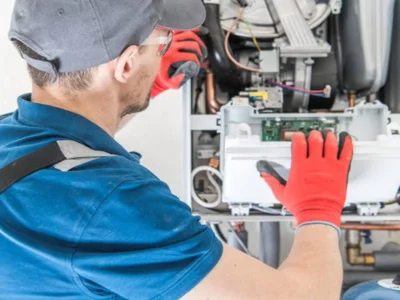
While DIY tasks are important, a professional HVAC maintenance check-up delves much deeper, addressing complex components and ensuring the system’s intricate parts are functioning correctly. During a typical professional visit, technicians perform a comprehensive series of inspections and adjustments:
- Refrigerant Charge Check: Verifying the correct refrigerant levels and checking for leaks, which is critical for cooling efficiency.
- Combustion Analysis: For heating systems, especially furnaces, this involves checking the combustion process for safety and efficiency, including inspecting the heat exchanger for cracks and ensuring proper gas pressure.
- Motor Lubrication: Lubricating all moving parts, such as fan motors, to reduce friction and wear, which can extend the life of components and reduce energy consumption.
- Thermostat Calibration: Ensuring the thermostat is accurately reading and controlling temperatures for optimal comfort and efficiency.
- Duct Inspection: Checking the ductwork for leaks or disconnections. Up to 30% of air moving through ducts can be lost due to leaks or holes, significantly impacting efficiency.
- Electrical Connections: Tightening all electrical connections and measuring voltage and current on motors to prevent potential hazards and ensure proper operation.
- Coil Cleaning: Thoroughly cleaning evaporator and condenser coils, which can accumulate dirt and significantly impair heat transfer.
- Condensate Drain Clearing: Clearing any blockages in the condensate drain line to prevent water damage and high humidity.
These detailed checks require specialized tools and expertise, making professional tune-ups indispensable for the overall health and safety of your HVAC system.
Seasonal Requirements and Signs Your System Needs Attention
The demands placed on your HVAC system fluctuate dramatically with the seasons, necessitating a tailored approach to maintenance. A spring tune-up prepares your air conditioner for the summer heat, while a fall inspection ensures your heating system is ready for winter’s chill. Factors like your local climate and the equipment age further influence these needs. Understanding these seasonal shifts and recognizing the early warning signs of trouble, such as short cycling or unusual noises, are key to preventing major malfunctions.
Adapting Maintenance to the Calendar
To ensure year-round comfort and efficiency, HVAC maintenance should be adapted to the changing seasons. The ideal time for a professional cooling system check-up is in late winter or early spring, before the cooling peak season begins. This allows technicians to identify and address any issues before your AC is put under heavy strain. Similarly, a heating system inspection should be scheduled in late summer or early fall, preparing your furnace or boiler for the heating peak.
Beyond professional visits, homeowners have seasonal responsibilities. In winter, it’s crucial to ensure outdoor units, especially heat pumps, are clear of snow and ice to maintain proper airflow. In spring, cleaning around the outdoor condenser unit after winter debris has accumulated is important. This proactive, calendar-based approach helps your system transition smoothly between demanding periods.
Recognizing the Warning Signs of System Failure
Your HVAC system often provides subtle cues when it’s struggling, and recognizing these warning signs early can save you from costly repairs and discomfort. One common indicator is consistently rising bills without a corresponding increase in usage. This often points to a decline in efficiency, possibly due to dirty coils or airflow issues. Inconsistent temperatures throughout your home, with some rooms too hot and others too cold, can signal problems with ductwork or the system’s ability to distribute air effectively.
Unusual noises, such as grinding, squealing, or banging, are never normal and should prompt an immediate call to a professional. Similarly, any burning smells could indicate electrical issues or a dirty furnace. The presence of ice on your outdoor unit or refrigerant lines, even in warm weather, is a clear sign of a serious problem, such often related to low refrigerant or airflow restrictions. The consequences of ignoring these signs can be severe; for example, 42% of homeowners have experienced HVAC system issues during heat waves, highlighting the importance of timely intervention.
Industry Trends and the Consequences of Neglect
The HVAC industry is continually evolving, with significant changes on the horizon that homeowners should be aware of, particularly concerning refrigerant regulations. These shifts, driven by environmental concerns, will impact system maintenance and replacement decisions. Concurrently, understanding the severe consequences of neglecting HVAC maintenance underscores the importance of proactive care, not just for your wallet, but for your safety and the health of your home environment.
Navigating New Refrigerant Standards
A major shift in the HVAC industry is the ongoing phase-down of hydrofluorocarbons (HFCs), potent greenhouse gases commonly used as refrigerants. Driven by international agreements like the Kigali Amendment, HFC production is being significantly reduced, with a 40% reduction from January 2024. This transition means that older systems using refrigerants like R-410A will become more expensive to service as these refrigerants become scarcer.
Homeowners should be aware of the move towards newer, lower global warming potential (GWP) refrigerants, such as HFOs (hydrofluoroolefins), hydrocarbons (HCs), ammonia (NH3), and carbon dioxide (CO2). This transition requires specialized training for technicians, and in some cases, system retrofitting or replacement. Ensuring your HVAC professional is EPA certified to handle refrigerants and is up-to-date on these new standards is crucial for compliance and effective service. As a homeowner, understanding these changes can help you make informed decisions about repairing or replacing older equipment.
The Risks of Skipping Annual Service
The consequences of neglecting HVAC maintenance extend far beyond mere inconvenience. Skipping annual service significantly increases the risk of catastrophic failure, often at the most inconvenient times and highest costs. For heating systems, neglected maintenance can lead to dangerous situations, including fire hazards from faulty electrical components or gas leaks, which can emit harmful sulfur odors.
Beyond immediate safety concerns, a lack of maintenance can lead to premature replacement of your entire system. While HVAC units are designed for a 15-25 year lifespan, neglecting regular care can drastically shorten this, forcing you to invest in a new system much sooner than anticipated. This represents a substantial financial burden that could have been avoided. Moreover, a poorly maintained system contributes to higher indoor pollutants, which can be 2 to 5 times higher than outdoors, impacting respiratory health and overall indoor air quality. Neglecting your HVAC system is a gamble with your comfort, your finances, and your family’s safety.
Frequently Asked Questions about HVAC Maintenance
How often should my HVAC system be professionally serviced?
Most HVAC professionals and manufacturers recommend that your system be professionally serviced at least once a year. Ideally, it’s best to have two professional tune-ups annually: one in the spring to prepare your air conditioning for the summer, and one in the fall to get your heating system ready for winter. This biannual schedule ensures that both heating and cooling components are inspected and maintained before their respective peak usage seasons. More frequent checks might be necessary for older systems, homes with pets, or in environments with high dust or pollution.
How much does a typical maintenance visit cost and is it worth it?
The cost of a typical professional HVAC maintenance visit can vary widely based on your location, the type of system you have, and the specific services included. On average, homeowners can expect to pay anywhere from $75 to $200 per visit. Many HVAC companies offer maintenance plans or service agreements that can reduce the per-visit cost and often include additional benefits like priority service or discounts on repairs.
Considering the benefits, regular maintenance is overwhelmingly worth the investment. It helps prevent costly breakdowns (which can easily run into hundreds or thousands of dollars), extends the lifespan of your equipment, improves energy efficiency (leading to lower utility bills), and ensures your system operates safely. The upfront cost of maintenance is typically far less than the expense of emergency repairs or premature system replacement.
When should I call a professional instead of attempting a DIY fix?
While homeowners can perform basic tasks like changing air filters and clearing debris around outdoor units, you should always call a professional for any task that involves:
- Refrigerant: Handling or checking refrigerant levels requires EPA certification.
- Electrical Components: Working with high-voltage electrical connections is dangerous.
- Gas Lines/Combustion: Any issues related to gas furnaces, including pilot lights, gas pressure, or heat exchangers, pose serious safety risks like carbon monoxide leaks.
- Complex Diagnostics: If your system is making unusual noises, emitting strange odors, failing to heat or cool effectively, or frequently short cycling, a professional can accurately diagnose the underlying problem.
- Major Repairs: Replacing parts, fixing leaks, or addressing internal component failures should always be left to trained technicians.
When in doubt, it’s always safer and often more cost-effective in the long run to consult a qualified HVAC professional.
Conclusion
Proactive HVAC maintenance is an indispensable aspect of responsible homeownership. By understanding the fundamentals of system care, embracing the financial and operational benefits of regular servicing, and knowing when to perform DIY tasks versus calling a professional, you empower yourself to keep your home comfortable and safe. The long-term savings from enhanced energy efficiency and extended system longevity far outweigh the modest cost of routine maintenance. Moreover, consistent care protects your investment, maintains your warranty, and can even increase your home value by up to 7% when it comes time to sell. Beyond the financial incentives, prioritizing HVAC maintenance ensures optimal indoor air quality and, most importantly, puts safety first for your household. By taking these steps, you guarantee consistent comfort and peace of mind year-round, making your home the sanctuary it’s meant to be.





Comments