
 By
By 
Property inspections. They’re essential actions before moving in. After all, the difference between an enjoyable tenancy and a dreadful experience often hinges on this initial check.
Landlords are usually responsible for this. Moreover, they have a legal obligation to provide a safe and habitable residence before you arrive. Alas, many renters wonder what specific requirements this entails.
Let’s explore them in detail below in order to ensure your comfort and security before your tenancy begins.
Structural Repairs and Safety
The law requires your lessor to act and repair any structural damage. This means they need to address any structural issues and safety concerns pertaining to the property in order to ensure your comfort and safety.
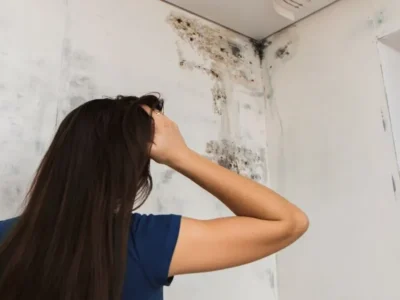
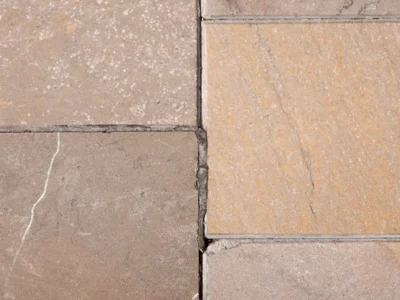
What does that entail, though? Pretty much every element, from the roof and walls to the windows and doors. So, do not hesitate to point out any cracks or damp areas you spot before signing the lease.
The lessor has to fix these issues to ensure the residence is structurally sound and watertight. Aside from establishing a safe living environment, this will also spare you expensive repairs later on.
A compromised roof causes more damage the longer it remains unaddressed. This can promote mould development and moisture damage, which is not only unpleasant but also dangerous.
All outside doors and windows should also lock firmly. This is a legally binding stipulation in most rental agreements, not just a safety concern.
Your proprietor must ensure that the residence is properly secured. If you find damaged windows or faulty locks, it is their responsibility to fix them.
Functioning Utilities
Making sure all basic utilities are operating as they should also fall on landlords. This covers gas and water, but also electricity.
Your landlord must also address issues like damaged plumbing. Faulty wiring and a defective boiler also fall into that category.
So, be proactive before signing the lease and check as many things as possible. Otherwise, this fresh start in your new home could quickly turn into a nightmare.
Your lessor is legally required to make sure fundamental equipment, such as the boiler and oven, are operating safely and efficiently.
They must also present you with a safety certificate verifying that over the past 12 months, a licensed engineer has examined the gas system.
Moreover, the plumbing system should be completely leak-proof. From your toilet and shower cabin to your sinks and bathtub, all fixtures must function correctly.
Even minor drips can cause significant issues, such as mould infestations or unsightly watermarks, if left unchecked. Having your landlord fix these defects ahead of time helps guarantee a pleasant living experience, saving you a world of trouble down the road.
Regarding electricity, rental providers are responsible for ensuring that all electrical systems are safe.
Broken sockets or faulty wiring pose major safety hazards. As such, they must be checked and fixed as necessary before your lease term officially begins.
If the property’s utility systems have not been maintained recently, you should rethink your decision to move in until these matters are settled.
Lastly, ask your landlord to examine the smoke detectors. They are regulatory requirements for rental houses and are absolutely vital for your safety.
Heating and Hot Water
The heating system is another crucial aspect your lessor needs to handle prior to your arrival.
Landlords are in charge of ascertaining that the building has proper heating. So, be sure to verify that the HVAC system has been serviced and is in good running order before you begin your tenancy.
This may not seem that important if you are moving during the warmer months. Once winter arrives, though, a malfunctioning heating system can make the place uninhabitable.
It has to operate efficiently, even if you do not need it at the moment. This applies to central heating and individual heaters alike.
Lack of hot water also violates your lessor’s legal responsibilities. It also adds unnecessary hassle to your daily life. So, remember to check the hot water system to make sure it is running effectively.
Infestations and Vermin Control
Pesky creatures, like rats, bed bugs, and cockroaches, can make your life miserable. Aside from destroying your home and contaminating your surfaces, they also present numerous health hazards.
You must inform your housing provider immediately if you find evidence of an infestation during your walk-through. This includes droppings, unusual scents, or bite marks on furniture.
If you spot any of these alarming signs, your lessor has to exterminate the culprits before you move in
End of Lease Cleaning
Your proprietor is also responsible for keeping the property tidy. This is where post tenancy cleaning comes into play.
Your lessor should have arranged for a thorough cleanup of the residence ahead of your tenancy. If they have done it correctly, you should notice no traces left behind by the previous occupants. Basically, the place should look as though it has been prepared especially for you.
This takes more than a simple sweep. It typically involves an exhaustive deep cleaning of every room. The kitchen and bathroom usually require the most care, as grime and dust tend to build up there the most.
Even though professional cleaning is not a legal requirement, your proprietor must at least ensure that the place is in decent condition. So, do not hesitate to point out any signs of inadequate cleanliness should you spot any.
The Difference Between Repairs and Maintenance
Firstly, that’s a valid distinction. Why? Because understanding the differences is crucial when dealing with any lessor. It enables you to protect your rights and fulfil your duties, thereby ensuring a peaceful and hassle-free stay.
Repairs are legal requirements that have to be addressed before your lease term officially begins. As for maintenance, it includes any regular chores required to keep the residence in good shape.
Basic tasks, like mowing the lawn or changing a light bulb, will probably fall on you. It mostly depends on the conditions of your leasing agreement, though.
It pays to review all the stipulations carefully before signing on the dotted line. This will give you a better understanding of what you are liable for.
Conclusion
Your proprietor has numerous obligations to fulfil, as mandated by law. They include structural repairs, safety checks, pest control, and utility maintenance.
End of tenancy cleaning is also a vital requirement that deserves attention. Basically, your lessor has to do all they can to make sure you are entering a spotless, fully functional house, where you can relax.
So, make sure all of the abovementioned elements are covered before dotting the i’s and crossing the t’s.






Comments