
 By
By 
Living in Surrey teaches you to cope with rainy weather instead of resisting it. One element that works well in this area is eco tiles. Eco-friendly tiles can be smart, environmentally beneficial, and fashionable options for homeowners wishing to upgrade their space. Finding materials that endure in locations prone to dampness without compromising appearance is crucial. You can renovate your kitchen, bathroom, or hallway to have environmental benefits, design, and longevity in a convenient package. Here are four different tile choices.
Recycled Porcelain – Durable, Low Maintenance, and Classic
This traditional tile has been reinvented for modern sustainability. The tiles are created from leftover production components or post-consumer porcelain waste. They are burned at high temperatures, just like regular porcelain, making them incredibly solid and non-porous. That means no water infiltrations, swelling, or mold growth underneath. Also, they are ideal for high-traffic areas like the kitchen, laundry rooms, and entryways, where spills and muddy shoes are common. They also come in matte whites, gentle greys, and terrazzo-style finishes that look expensive without breaking the bank.
Recycled Glass Tiles – Glossy Finish with Low Water Absorption
Glass tiles are an excellent choice, especially if you want something that is practical and enhances your room. Recycled glass tiling is created by melting shattered bottles or industrial glass fragments and reforming them into new tiles. So, since glass does not absorb moisture, these tiles are naturally waterproof and mold-resistant. This makes it ideal for bathroom walls, splash zones under sinks, and even inside the shower. They reflect light well, which is especially useful in Surrey’s low-sun months, and they come in a wide range of colors, from vivid brights to soft, sea-glass pastels. Bonus: They are usually simple to clean with just water and a rag.
Cork Tiles – Soft, Warm, and Water-Resistant with Proper Sealing
One interesting, outstanding option for areas that require a softer, warmer feel without sacrificing eco-friendliness is cork. Trees are not felled in the process of harvesting cork from the bark of cork oaks. It is an eco-friendly material that has a naturally cushioned surface. Untreated cork isn’t the best for damp places, but sealed cork tiles work well in places with low moisture content. Examples of such areas are living rooms, bedrooms, and powder rooms. Additionally, they soften the sound of footsteps and give a home a touch of coziness. Choose earthy tones or patterned cork tiles for a style that is grounded as well as trendy.
Natural Slate – Rugged Texture Meets Moisture Control
If your style is more rustic or dramatic, slate might be the perfect fit for you.
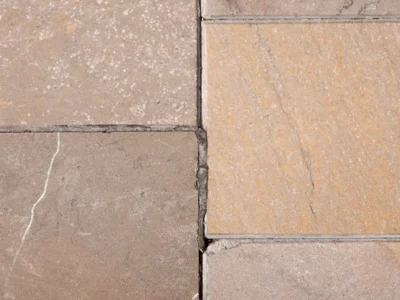
Natural slate from sustainable sources is a thick stone that is water-resistant when properly sealed. Its rough surface naturally prevents slippage, making it ideal for utility rooms, restrooms, and areas that connect to the outdoors. Slate tiles are a fantastic choice for underfloor heating because they retain heat well. Their deep charcoals, mossy greens, and steel greys go well with contemporary and rustic home design styles.
Conclusion
Sustainable design needs to be practical in Surrey’s climate. These four eco tile solutions go beyond sustainability and are also beautiful, moisture resistant, and blend in perfectly with regular living areas. You can select eco-friendly tiles that are designed to look great everyday and are available for use in spa-style bathrooms and halls.








Comments