
 By
By 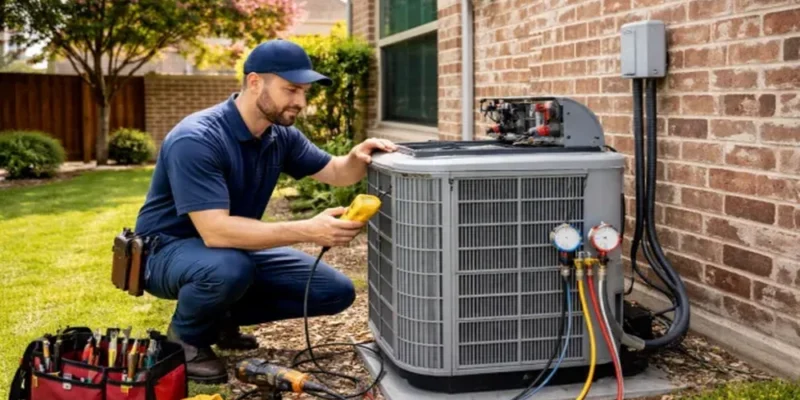
Heat pumps have become a popular choice for homeowners looking for an efficient way to heat and cool their homes. Unlike traditional HVAC systems, heat pumps work year-round, making them one of the hardest-working pieces of equipment in a home. Because they operate throughout every season, regular maintenance is essential to keep them running efficiently and reliably.
Many costly repairs can be traced back to minor issues that were left unaddressed for too long. Homeowners who understand the basics of heat pump maintenance are often better equipped to prevent unexpected breakdowns and extend the lifespan of their systems. When problems do arise, professional services such as heat pump repair in Sandy Springs, GA can help restore performance and prevent further damage.
Why Heat Pump Maintenance Matters
A heat pump transfers heat rather than generating it, which makes it highly energy efficient. However, this efficiency depends on all components working together properly. Dirt buildup, airflow restrictions, worn parts, and neglected maintenance can force the system to work harder than necessary.
When a heat pump operates under strain, energy consumption increases and components experience additional wear. Over time, this can lead to costly repairs that could have been avoided through routine care.
- Improved energy efficiency
- Lower monthly utility bills
- Better indoor comfort
- Reduced risk of unexpected breakdowns
- Longer equipment lifespan
- Improved indoor air quality
Taking preventative steps throughout the year can save significant money compared to emergency repair costs.
Keep Air Filters Clean
One of the simplest yet most important maintenance tasks is replacing or cleaning air filters regularly.
Dirty filters restrict airflow, making the heat pump work harder to circulate air throughout the home. Reduced airflow can affect system performance, increase energy costs, and place unnecessary strain on critical components.
Most homeowners should inspect filters every month and replace them according to the manufacturer’s recommendations. Homes with pets, allergies, or higher dust levels may require more frequent replacement.
Clean filters help maintain efficient operation while supporting healthier indoor air quality.
Keep the Outdoor Unit Clear
The outdoor portion of a heat pump is exposed to the elements year-round. Leaves, grass clippings, dirt, and other debris can accumulate around the unit and interfere with airflow.
To maintain proper operation:
- Remove leaves and debris regularly
- Trim shrubs and vegetation around the unit
- Keep at least two feet of clearance on all sides
- Gently rinse dirt from the exterior coils when necessary
Restricted airflow around the outdoor unit can reduce efficiency and increase wear on the compressor, one of the most expensive components to replace.
Inspect the Thermostat
Your thermostat plays a major role in heat pump performance. An incorrectly programmed or malfunctioning thermostat can cause unnecessary cycling and inefficient operation.
Review thermostat settings seasonally to ensure they match your comfort needs. If your home uses a programmable or smart thermostat, verify that schedules are operating correctly.
Avoid making frequent temperature adjustments throughout the day. Consistent settings typically allow heat pumps to operate more efficiently and reduce stress on the system.
Pay Attention to Unusual Sounds
Heat pumps generally operate quietly. While some normal operating sounds are expected, unusual noises can signal developing problems.
Homeowners should pay attention to:
- Grinding sounds
- Squealing noises
- Rattling components
- Buzzing or electrical sounds
- Excessive vibration
Ignoring unusual sounds can allow minor issues to become major repairs. Addressing problems early often results in less expensive service calls and reduced system downtime.
Check Air Vents and Registers
Blocked vents can affect airflow throughout the home and reduce overall system performance.
Walk through your home periodically and ensure that:
- Supply vents remain open
- Furniture does not block airflow
- Curtains are not covering registers
- Dust buildup is removed from vent covers
Balanced airflow helps the heat pump distribute heated or cooled air effectively, reducing strain on the system and improving comfort levels.
Monitor Energy Bills
A sudden increase in utility costs often provides an early warning that something is wrong.
If your energy bills rise significantly without changes in weather or household usage, your heat pump may be losing efficiency. Common causes include dirty coils, refrigerant issues, airflow restrictions, or failing components.
Tracking monthly energy consumption can help identify performance problems before they lead to expensive repairs.
Schedule Professional Maintenance
While homeowners can perform several basic maintenance tasks, professional inspections remain essential.
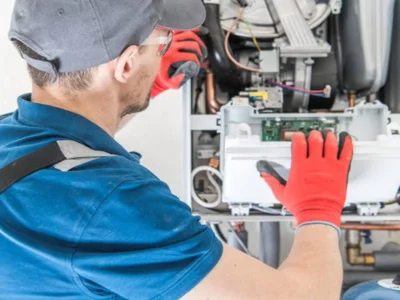
A qualified HVAC technician can identify issues that may not be visible during routine homeowner inspections. During a maintenance visit, technicians often:
- Inspect electrical connections
- Check refrigerant levels
- Clean coils
- Test system controls
- Examine moving components
- Lubricate necessary parts
- Evaluate overall performance
Most HVAC professionals recommend scheduling maintenance at least once per year. Many homeowners choose spring or fall appointments to prepare their systems for seasonal demands.
Professional tune-ups often catch small concerns before they develop into major repair expenses.
Watch for Warning Signs
Heat pumps often provide warning signs before a complete breakdown occurs. Recognizing these symptoms early can help prevent larger repairs.
Common indicators include:
Prompt attention to these warning signs can help homeowners avoid more extensive and expensive repairs.
Protect Your Long-Term Investment
A heat pump is a significant investment that can provide years of reliable service when properly maintained. Small maintenance tasks performed consistently throughout the year can have a substantial impact on system performance and longevity.
By replacing filters, keeping the outdoor unit clean, monitoring performance, and scheduling regular professional inspections, homeowners can reduce the likelihood of costly repairs while maximizing efficiency. Preventive maintenance not only helps protect your budget but also ensures your home remains comfortable during every season.
When maintenance becomes a priority rather than an afterthought, heat pumps are more likely to deliver dependable performance for many years to come.






Comments