
 By
By 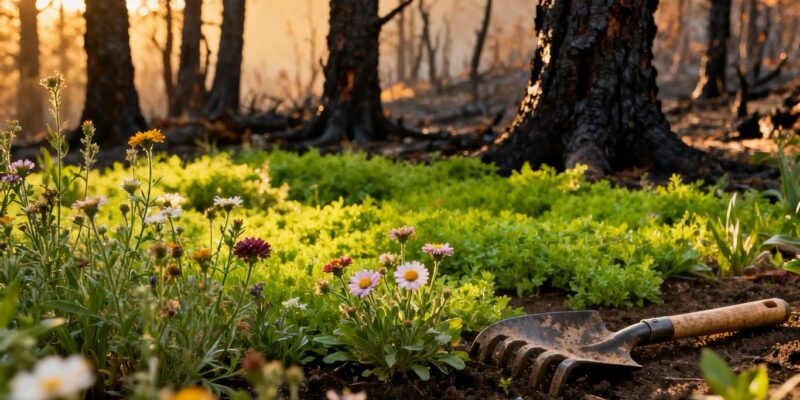
Returning to a property after a fire requires a measured approach to ensure personal safety while beginning the recovery process. Walking through a landscape recently ravaged by fire often reveals hidden dangers that may not be apparent at first glance. Establishing a clear understanding of the site conditions serves as the foundation for any rehabilitation efforts.
Identifying structural and ground hazards
Before beginning any work, conduct a thorough walk-through to identify potential risks like loose debris, unstable ash pits, and leaning structural elements. Loose soil and exposed utility lines can create immediate threats to anyone navigating the space. Focus your attention on these environmental shifts to prevent avoidable injuries during the cleanup phase.
Coordinating with insurance adjusters
Engaging with professionals early ensures that all losses are documented according to policy requirements. Maintain detailed records of your observations, including photographs of scorched vegetation and damaged irrigation systems. Prompt communication with your adjusters often helps in securing the necessary resources for complex restoration tasks.
Conducting a detailed site survey
Mapping your property allows for the prioritization of areas that require immediate intervention versus those that can be deferred. A systematic review of every section helps categorize the damage intensity, distinguishing between scorched zones and areas that remain relatively untouched. This survey guides the subsequent phases of removal and replanting.
Determining debris removal logistics
Clearing the property often involves heavy machinery and complex disposal requirements. Consider whether the scope of work requires professional contractors to handle large-scale removal safely. Efficient planning for container placement and debris sorting minimizes the time spent on the site while moving toward a clean slate.
Mitigating soil erosion and drainage issues
Bare, scorched earth is highly susceptible to displacement during the following rain cycle. Once the protective canopy and ground cover are removed, water flows rapidly over the surface rather than infiltrating the soil. Managing these physical changes is essential to preserving the remaining land before new growth can take hold.
Understanding the hydrophobic soil condition
Intense heat can cause oils from plant materials to vaporize and condense on soil particles, creating a water-repellent layer. This condition leads to significantly increased runoff, as moisture cannot penetrate the surface. Recognizing this alteration is vital, as standard irrigation techniques may fail to reach root zones until the surface layer breaks down.
Implementing temporary erosion control measures
When addressing areas prone to saturation or runoff, applying structural barriers helps stabilize the land surface. Utilizing specific techniques protects your soil while new vegetation attempts to establish a root system. To prevent sediment loss during heavy rains, consider these common methods:
- Laying down fiber rolls or wattles across slopes to intercept moving water.
- Installing perimeter silt fences to catch loose debris and soil particles.
- Applying a light layer of organic top-dressing to protect the fragile soil surface.
- Seeding with quick-growing native grasses to provide early ground cover.
These interventions provide the necessary stability to keep your topsoil in place, forming the baseline for successful landscaping after wildfire recovery projects on your property.
Managing water runoff and sediment transport
Directing water flow away from critical infrastructure prevents further damage to foundations and driveways. By installing temporary swales or redirecting downspouts, you reduce the concentrated energy of storm runoff. Addressing these drainage patterns early mitigates the risk of erosion-related structural instability.
Soil testing for chemical contaminants
Burned materials left behind can introduce volatile compounds into the immediate ground level. Analyzing a soil sample ensures that any residual ash or synthetic debris has not altered the growing medium to a toxic degree. Knowing the exact chemical composition helps you adjust your soil amendments appropriately before introducing new plants.
Evaluating fire-damaged trees and shrubs
Assessing the viability of woody plants requires looking beyond the charred bark to determine if the internal transport systems remain functional. Many trees show signs of resilience if the cambium layer remains alive despite visible surface scorching. Take care to inspect each specimen individually rather than assuming total loss.
Differentiating between dead and dormant plants
Many native species have evolved mechanisms to survive intense heat by entering a period of forced dormancy. Scraping a small section of bark to check for green tissue reveals whether the plant is still drawing moisture and nutrients. Patience is a valuable tool during this initial assessment phase.
Identifying signs of vascular health in woody plants
Evaluate the buds and fine twigs to see if they retain flexibility or if they snap dry upon bending. Healthy vascular flow typically supports pliant stems even when the exterior looks charred. Observing where new growth sprouts from can highlight the most robust sections of the tree or shrub.
Making decisions on tree removal versus salvage
If a significant portion of the primary structural limbs is dead, removing the tree may be necessary for safety. However, species that exhibit crown sprouting often recover naturally without excessive intervention. Consulting with wildfire attorneys regarding the loss of valuable mature trees can provide clarity on recovery options for significant property damages.
Pruning and removing hazardous limbs
Focus pruning efforts on removing deadwood that poses a risk to nearby structures or pedestrian paths. Clean cuts help the plant direct its remaining energy toward healing the primary wounds. Avoid aggressive pruning that removes too much foliage, as the tree still needs those parts for transpiration and regrowth.
Protecting remaining root structures during cleanup
Heavy machinery should be kept far away from the root zones of surviving trees to avoid soil compaction. Even trees that look healthy can suffer if their access to oxygen and water is restricted by compressed soil. Use clear markers to designate these critical root-protection zones throughout the property.
Designing for future wildfire resilience
Rebuilding a landscape provides the opportunity to create a more protected environment through intentional planning. The goal is to maximize the distance between combustibles and structures while creating a layout that effectively slows fire movement. Referencing the principles provided by the Texas A&M Forest Service ensures that you follow evidence-based approaches to hazard mitigation.
Zoning your property for defensible space
Organizing your land into designated zones helps clarify which areas require maximum protection and which can support more naturalized vegetation. Focus the most intense maintenance and clearing within the immediate five feet around your home. This strategy is essential for anyone interested in fire-resistant landscaping practices that safeguard their residence.
Selecting fire-resistant plant species
Choosing native plants with higher inherent moisture content helps reduce the overall fuel load in your yard. The Theodore Payne Foundation offer resources that identify species suited for local conditions, which can be both aesthetically pleasing and ecologically responsible. These selections often require less maintenance, which inherently reduces the accumulation of dry, flammable plant matter.
Incorporating non-flammable hardscape materials
Strategic use of stone paths, gravel, and metal borders creates natural firebreaks that slow the advancement of flames across a property. These materials serve as low-maintenance gaps in your vegetation that disrupt fuel continuity. By extending these features around your house, you create distinct buffer zones that act as physical obstacles to fire spread.
Utilizing fuel breaks to limit fire spread
Designing the yard to include managed paths and open clearings reduces the risk of crown fires reaching your living space. Building wildfire resilience involves layered protection, where small gaps and low-flammability zones work in tandem. This deliberate arrangement significantly lowers the intensity with which an approaching wildfire might interact with your home.
Soil restoration and preparation
Restoring the health of the earth is the final piece of creating a sustainable post-fire landscape. The intense heat affects the organic soil life that plants depend on for nutrition and structural support. Introducing organic matter and addressing nutrient imbalances sets the foundation for healthy, long-term growth.
Adding organic matter to improve soil structure
Incorporate composted materials to revitalize the soil biology and improve the ability of the land to retain moisture. This amendment helps reverse the compacting effects of heat and firefighting chemicals. Fresh organic material promotes a vibrant ecosystem where new root systems can thrive.
Balancing nutrient deficiencies post-burn
Soil tests after a fire often show a temporary spike in some minerals along with a depletion of essential organic compounds. Applying a balanced, organic-based amendment can help stabilize the pH and restore the necessary nutrients. Regular testing over several seasons allows for precise adjustments as the soil chemistry continues to evolve.
Proper mulching techniques to prevent moisture loss
Apply a layer of well-composted organic mulch to preserve the surface moisture and shade the roots of young plantings. Use materials that are resistant to ignition, keeping them away from the immediate foundation of the house. This barrier serves to protect the soil from the drying effects of wind and sun while keeping it cool.
Selecting appropriate cover crops for stabilization
Planting specific annual species helps hold the soil together while you plan for more permanent additions. These crops act as temporary ground cover to prevent erosion and add organic value when worked back into the soil later. Choose native varieties that establish quickly in disturbed ground environments.
Establishing new plantings and long-term care
Replanting is a process that requires patience and steady observation over many growth cycles. Young plants in a post-burn landscape need extra support until they become fully established and capable of competing with natural weeds. Consistent oversight prevents the colonization of aggressive invasive species that often take hold after a disturbance.
Adaptive irrigation strategies for young plants
Young specimens need deep, consistent watering to encourage roots to penetrate deeper into the soil. As the plants mature, gradually reduce the irrigation frequency to foster self-sufficiency and deeper root growth. Monitoring the soil moisture levels carefully helps you avoid common pitfalls like overwatering or nutrient leaching.
Implementing regular site maintenance schedules
Maintain a consistent routine to remove dead stems and excessive growth during the transition seasons. Regular inspections identify pests or disease outbreaks while they are manageable, ensuring that your long-term efforts remain effective. This discipline keeps the landscape in a state of high resilience year-round.
Monitoring for invasive species colonization
Disturbed landscapes are high-value real estate for fast-spreading, invasive plants that can outcompete native growth. Conduct visual sweeps every few weeks to catch unwanted visitors early. Immediate removal of these opportunistic plants prevents them from establishing a permanent foothold in your recovering garden.
Adjusting growth and recovery expectations
Recognize that the transformation of a fire-impacted landscape occurs over several years rather than months. Celebrate the small victories, such as the emergence of new growth or the successful establishment of a native shrub. Adjusting your expectations allows for a more rewarding long-term experience as the property recovers and matures.









Comments