
 By
By 
Flooding in Singapore, whether from heavy monsoon rains, burst pipes, or drainage issues, can affect residential and commercial properties alike. In addition to causing damage to buildings and possessions, rapid water penetration fosters the growth of mould and structural instability. To prevent additional losses and safeguard the health of the tenants, effective flood damage cleanup must start as soon as it is safe to enter the damaged property. To guarantee a complete recovery, professional restoration firms in Singapore adhere to set procedures.
Initial Safety and Damage Assessment
Before any work begins, safety checks are critical. This includes shutting off electricity and gas supply, inspecting the property for structural risks, and identifying contaminated water sources. Professionals performing flood damage repair first categorise the water type involved. This classification into clean, grey, or black water determines the necessary level of disinfection and protective measures. Grey and black water, which may contain biological or chemical hazards, require specialised handling to prevent exposure and secondary contamination.
Water Extraction and Drying Techniques
Removing standing water quickly is key to reducing secondary damage. Industrial-grade pumps, wet vacuums, and water extraction tools are used to clear water from floors, carpets, and substructures. Once visible water is removed, targeted drying begins using high-capacity dehumidifiers and air movers. The goal is to restore normal humidity levels within 24 to 48 hours, which minimises the risk of mould. In Singapore’s humid climate, this step is especially important, as residual moisture can linger in walls, flooring, and insulation if not properly addressed.
Cleaning and Sanitising Affected Areas
Flood damage cleanup goes beyond drying. All surfaces in contact with contaminated water must be cleaned and disinfected. This may involve using antimicrobial treatments on walls, floors, and furniture to eliminate bacteria, viruses, and mould spores. Porous materials such as carpets, insulation, and certain types of furniture may need to be removed and replaced if they cannot be sanitised effectively. Technicians document all affected areas to support insurance claims and provide evidence of proper remediation.
Structural Repairs and Material Replacement
Once the property is dry and sanitised, flood damage repair can begin. This might include replacing drywall, repairing flooring, or restoring damaged electrical and plumbing systems. In some cases, floodwaters weaken load-bearing elements or corrode metal components, requiring more extensive reconstruction. In Singapore, repair work must also comply with local building codes and safety standards, ensuring restored spaces are both functional and compliant.
Preventing Mould Growth Post-Flood
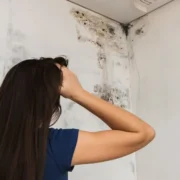
Even after water removal and cleaning, properties remain vulnerable to mould if moisture is not fully controlled. Post-cleanup monitoring includes using moisture meters to detect hidden damp spots and applying preventive fungicidal treatments where needed. Any early signs of mould must be addressed promptly, as it can compromise indoor air quality and lead to health issues. A well-executed flood damage repair process incorporates mould prevention as an integral step rather than an afterthought.
Coordinating with Insurance and Documentation
Detailed records are crucial when making a claim for flood damage. This includes before-and-after photographs, lists of damaged items, and all invoices related to the restoration process. Professional restoration companies often liaise directly with insurers, streamlining the claim process for property owners. Accurate documentation not only speeds up claim approval but also ensures fair compensation for both repairs and replacements.
Building Flood Resilience for the Future
After recovery, property owners should consider measures to reduce the impact of future floods. These may include installing backflow prevention devices, improving drainage systems, or sealing foundation cracks. Businesses in flood-prone areas may also benefit from developing a water damage response plan, ensuring faster action during future incidents. These preventive strategies make subsequent flood damage cleanup efforts faster and less costly.
For rapid, professional flood damage cleanup and effective flood damage repair in Singapore, contact BELFOR to restore your property safely and efficiently.




Comments