
 By
By 
Key Takeaways
- Seal cracks, crevices, and entry points to minimize pest access, especially before seasonal changes.
- Keep kitchens and living spaces clean to remove food and water sources, focusing on local pest hotspots.
- Maintain and repair your home’s exterior to reduce nesting sites and hidden pathways for pests.
- Consider safe, natural repellents for added protection appropriate to the Monmouth County environment.
- Consult a licensed professional for persistent or large infestations to ensure effective treatment.
Table of Contents
- Seal Entry Points
- Maintain Cleanliness
- Inspect and Repair Exterior
- Utilize Natural Deterrents
- Know When to Seek Professional Help
Maintaining a pest-free home is especially important for residents in Monmouth County, NJ, where changing seasons, coastal humidity, and suburban landscapes create unique conditions that can attract pests year-round. Whether you are dealing with a spring ant invasion or preventing overwintering rodents, proactive pest management is vital to keeping your Monmouth County home safe and comfortable. By understanding local pest behaviors and implementing proven strategies, you can better protect your home and family. For professional guidance or more comprehensive solutions, Alliance Pest Services is a trusted local resource.
Pest control strategies that work in Monmouth County often need to account for the proximity to wooded spaces, wetlands, and fluctuating weather patterns that drive pests indoors. Adapting preventive measures to these local realities will help reduce the risk of infestations and protect the health of your home.
Monmouth County, with its mix of historic neighborhoods, coastal towns, and newer developments, sees a diverse pest presence. From small ants and termites damaging foundations to winter wildlife intrusions, residents need to combine everyday care with strategic maintenance to stay ahead of common indoor invaders.
Caring for your home environment means addressing entry points both inside and out. Balancing regular cleaning, basic repairs, and eco-friendly deterrents can deliver reliable results in Monmouth County’s climate. Alongside these at-home steps, learning when to engage a local expert is essential for persistent or large-scale problems.
Seal Entry Points
Monmouth County’s homes, especially those near wooded areas or older neighborhoods, often have hidden entry points that pests use to get inside. Inspect the outer walls carefully, paying close attention to where utility pipes and cables enter, as well as around windows, doors, and basements. Use high-quality silicone caulk to close gaps, and for larger holes, insert steel wool before sealing to prevent rodents from chewing through. If your home has a crawlspace or a garage, periodic inspections are recommended, as these are frequent entry points for mice and insects in New Jersey.
Maintain Cleanliness
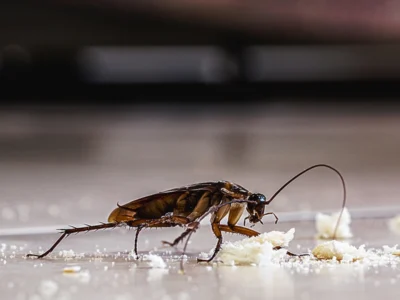
Local climates with high humidity and warm summers create ideal conditions for many pests. To reduce attractants, store pantry staples like cereals and pet food in airtight containers and clean up spills immediately. Garbage bins should have tight-fitting lids and be emptied often, particularly during warmer months when flies and ants are most active. Kitchens should be prioritized, as crumbs, grease, or even pet bowls can draw unwanted visitors. Regular cleaning, including behind appliances, will help interrupt the pest life cycle most effectively.
Inspect and Repair Exterior
Exterior maintenance is critical for Monmouth County homes close to open spaces, lakes, or wooded lots. Walk around your home’s perimeter each season to spot early signs of trouble. Repair torn window screens, plugged dryer vents, and fix leaky outdoor faucets that attract insects. Remove branches and shrubs that touch or overhang your roof or siding, as they provide bridges for pests like squirrels and carpenter ants. Keeping gutters clear and ensuring proper drainage also prevents standing water and deters mosquito breeding.
Utilize Natural Deterrents
Eco-conscious homeowners in Monmouth County may wish to employ natural deterrents to protect their families and pets. Placing cotton balls soaked in peppermint oil at suspected entry points can discourage mice, while spraying a vinegar-and-water solution along ant trails erases scent markers. Diatomaceous earth is a non-toxic powder effective against crawling insects like cockroaches and silverfish. These methods are best when paired with other prevention strategies, especially during pest-heavy late spring and summer months.
Know When to Seek Professional Help
Sometimes, despite thorough precautions, pests may persist or multiply. Major signs to call a local Monmouth County pest control expert include repeated sightings, droppings, gnawed furniture, or worsening odors. Termite or bed bug activity especially warrants swift professional intervention due to the health and property risks involved. Licensed professionals can perform targeted treatments and provide advice on safeguarding your home from future infestations. For additional guidance on pest prevention, the Centers for Disease Control and Prevention (CDC) offers educational resources to help keep homes safe from common pests.
Ultimately, successful pest prevention in Monmouth County requires a proactive and consistent approach. Regular inspections, prompt repairs, proper sanitation, and seasonal maintenance can significantly reduce the risk of infestations before they become costly problems. Because local pest activity varies throughout the year, tailoring prevention efforts to regional conditions is especially important. By staying vigilant and addressing issues early, homeowners can protect their property’s value, preserve a comfortable living environment, and promote a healthier, safer home for their families.







Comments