
 By
By 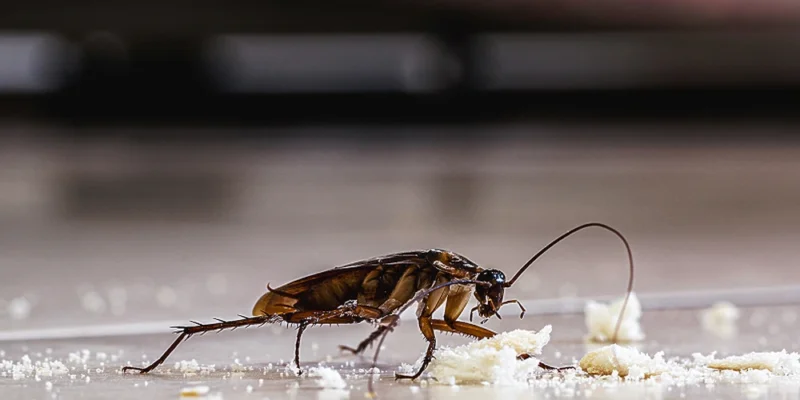
Key Highlights
- Cockroaches are strongly attracted to accessible water and food sources.
- Moisture problems often create ideal conditions for indoor infestations.
- Poor food storage practices can encourage cockroach activity.
- Preventive measures support effective pest management in Singapore.
- Early intervention can reduce the likelihood of larger infestations.
Introduction
Cockroaches are among the most persistent pests found in residential and commercial properties. Their ability to survive in a wide range of environments makes them difficult to manage once they become established indoors. Understanding what attracts them is often the first step towards preventing infestations.
Many property owners focus on finding out how to get rid of cockroaches after they notice signs of activity. However, prevention begins with recognising the conditions that encourage cockroaches to enter and remain inside a building. Moisture and food availability are two of the most significant factors.
Addressing these attractants can help reduce the likelihood of infestations while supporting broader pest management in Singapore. By understanding the relationship between cockroaches and their environment, property owners can make informed decisions about prevention and maintenance.
Why Moisture Attracts Cockroaches
Water remains essential for cockroach survival. Even when external food resources are scarce, many resilient insect species can survive for extended periods if they maintain access to standing moisture. Internal building areas with leaking pipes, dripping taps, or heavy condensation often become highly attractive harbourage sites for foraging insects seeking a reliable water source.
Bathrooms, kitchens, laundry facilities, and utility rooms frequently provide the damp microclimates that insects prefer. Moisture regularly accumulates completely unnoticed behind heavy appliances, beneath deep sinks, and inside dark storage cabinets. Hidden locations offer both shelter and access to water, making them appealing environments for residential pests.
While exploring structural maintenance guidelines and checking sanitation manuals to learn how to get rid of cockroaches permanently, property owners must address hidden plumbing leaks. Because reducing internal humidity levels forms a core component of commercial pest management in Singapore, controlling moisture creates environmental conditions that are highly unfavourable for insect breeding.
How Food Sources Encourage Infestations
While evaluating municipal waste protocols and researching urban sanitation standards to understand pest management in Singapore historically, food abundance emerges as a major structural variable. Cockroaches act as highly opportunistic scavengers that readily consume organic materials, meaning unsealed bins, food crumbs, and oily spills provide convenient feeding opportunities inside residential properties.
Kitchens and dining areas remain particularly vulnerable because food preparation occurs daily. Grease build-up around cooking hoods, organic residue beneath appliances, and uninspected dry pantries attract pests. Regular sanitation routines remove access to these vital resources and make indoor spaces far less appealing to crawling insects.
Anyone investigating household hygiene practices and reading biological guides to discover how to get rid of cockroaches must eliminate available feeding attractions. Proper food storage, prompt spill cleanup, and routine waste removal contribute heavily to long-term prevention strategies commonly recommended by local environmental inspectors.
Common Indoor Areas That Support Cockroach Activity
Before a property owner can accurately determine how to get rid of cockroaches permanently, locating the exact nesting zones remains an absolute priority. Foraging insects establish hidden clusters where moisture and food exist together, making sub-sink cabinets, dishwasher motor vents, and dark floor voids high-risk structural spaces.
Storage units, basement pantries, and electrical utility closets become problem zones when organic clutter accumulates over time. Corrugated cardboard boxes, loose paper products, and neglected storage crates provide ideal hiding spaces while making physical inspections highly difficult for landlords.
Property owners tracking localised insect activity should monitor structural vulnerabilities regularly to prevent minor pest entry points from developing into extensive building infestations. Incorporating routine inspections into annual pest management in Singapore programmes helps landlords address structural defects before populations expand significantly.
Practical Steps to Reduce Cockroach Attraction
Sanitation control begins with a combination of daily housekeeping routines and targeted building maintenance. Scrubbing food preparation counters daily, storing dry goods in airtight plastic containers, and removing commercial waste promptly can significantly limit the organic food resources available to foraging insect populations.
While addressing internal plumbing leaks, clearing blocked external drains, and improving structural ventilation to optimise overall pest management in Singapore, moisture elimination must remain a top priority. Monitoring concealed pipe ducts where condensation regularly pools reduces the likelihood of long-term insect nesting.
Although many building managers wait until an active infestation surfaces before searching how to get rid of cockroaches reactively, preventative sanitation remains the most reliable option. Combining strict housekeeping, structural sealing, and professional inspections forms the basis of effective environmental health control.
Conclusion
Moisture and food sources play a major role in attracting cockroaches indoors. Properties that provide easy access to water, shelter, and food are more likely to experience persistent pest activity. By addressing these factors through regular cleaning, maintenance, and monitoring, property owners can reduce infestation risks and maintain healthier indoor environments.
Contact Rentokil today to access comprehensive cockroach control services designed to eradicate crawling insect populations, protect food hygiene areas, and address hidden entry points.





Comments