
 By
By 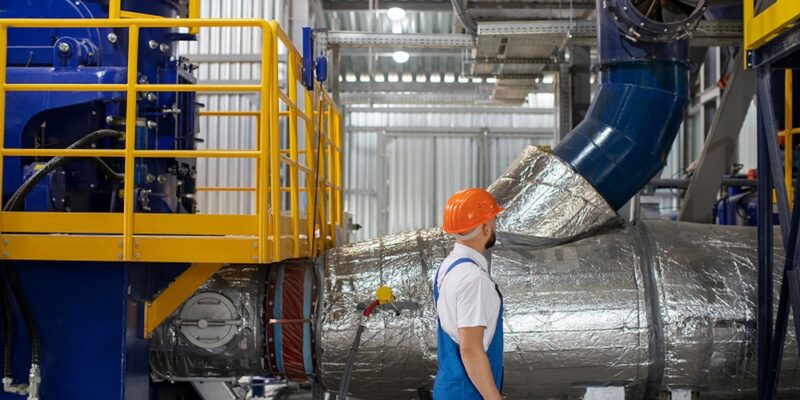
Key Highlights
- Noise insulation jackets provide a direct barrier that absorbs sound energy at the source of mechanical vibration.
- These solutions significantly improve workplace safety by reducing the risk of long-term hearing damage for facility operators.
- The removable design of these jackets ensures that acoustic performance does not interfere with routine equipment inspections.
- Implementing high-quality insulation helps industrial facilities meet strict local environmental noise ordinances and community standards.
Introduction
Industrial environments generate substantial noise levels that can disrupt operations and pose risks to personnel. Large-scale machinery, such as pumps, compressors, and turbines, creates acoustic energy that vibrates through metal surfaces and propagates throughout a facility. To manage these challenges, engineers frequently turn to noise insulation jackets as a versatile and efficient solution. These jackets serve as an engineered enclosure designed to dampen sound before it escapes into the surrounding atmosphere. Unlike permanent acoustic walls or bulky enclosures, these flexible jackets fit directly over the equipment. This approach allows for maximum sound absorption with minimal spatial footprint. By integrating these systems into a facility, managers can transform a chaotic and loud workspace into a controlled environment that prioritises both productivity and the workforce’s well-being.
Absorption of High-Frequency Mechanical Vibrations
The primary function of noise insulation jackets involves the physical absorption of sound waves that emanate from mechanical components. When a machine operates, it creates air-pressure fluctuations that we perceive as noise. These jackets use a multi-layered construction consisting of a dense acoustic core and a durable outer shell. As sound energy hits the inner layers, the material converts the kinetic energy of the sound waves into trace amounts of heat through friction within the fibres. This process effectively kills the sound at the source rather than allowing it to bounce off walls and ceilings. By dampening high-frequency whines and low-frequency rumbles, these jackets prevent the build-up of reverberation within enclosed factory spaces. This targeted mitigation ensures that the loudest parts of the production line do not dictate the overall noise profile of the building.
Improving Workplace Communication and Safety
Excessive levels of noise actively hinder clear communication and safety protocols. In a loud facility, workers often struggle to hear verbal instructions or emergency alarms, which increases the likelihood of workplace accidents. By installing noise insulation jackets on the loudest machinery, companies can lower the decibel levels to a range where normal conversation is possible. This reduction in ambient noise also lessens the cognitive load on employees, as they no longer have to strain to focus amidst a constant roar. Protecting the staff’s hearing is a legal and ethical imperative that pays dividends in reduced turnover and fewer health-related claims. A quieter environment fosters a more alert workforce, as the fatigue typically associated with prolonged noise exposure is significantly diminished.
Maintaining Easy Access for Equipment Inspections
One of the most significant advantages of using flexible jacketing solutions over traditional rigid enclosures is their removable nature. Industrial equipment requires regular maintenance, lubrication, and safety checks to ensure continuous operation. If a soundproofing solution makes it difficult for technicians to access the machine, they might leave it off after a repair, rendering the insulation useless. These jackets feature heavy-duty fastening systems such as straps, buckles, or hook-and-loop closures that allow for quick removal and reinstallation. This design ensures that acoustic protection remains a permanent fixture of the equipment without hindering the engineering team. Furthermore, the jackets can include clear viewing windows or cut-outs for gauges and sensors, allowing operators to monitor performance while the soundproofing remains fully intact.
Achieving Environmental and Regulatory Compliance
Many industrial zones are located near residential areas or commercial districts that have strict limits on noise pollution. Local councils often enforce decibel limits that a facility must not exceed at its boundary lines. Noise insulation jackets play a critical role in helping businesses achieve and maintain compliance with these environmental regulations. By containing the sound within the immediate vicinity of the pipework or machinery, the jackets prevent noise from leaking out of the building. This proactive approach to noise control helps companies avoid heavy fines and maintains a positive relationship with the surrounding community. Additionally, many international safety standards require specific sound-level targets for industrial equipment. Utilising custom-engineered jackets demonstrates a commitment to these global best practices and simplifies passing safety audits.
Conclusion
The implementation of noise insulation jackets represents a strategic investment in the longevity and safety of an industrial facility. By addressing sound at the mechanical source, these jackets provide an effective barrier that protects both the workforce and the surrounding environment. Their ability to reduce decibel levels while maintaining ease of access makes them superior to many traditional soundproofing methods. As industries continue to face stricter regulations and a greater focus on employee health, the demand for high-performance acoustic solutions will only grow. Selecting the right insulation ensures that your operations remain efficient, compliant, and safe. Ultimately, a quieter facility is a more productive and professional space that supports the long-term goals of any manufacturing or processing enterprise.
Contact Ancloz to learn more about high-performance soundproofing for your facility.









Comments