
 By
By 
Establishing a Routine for Essential Home Maintenance
Maintaining a home effectively begins with establishing consistent routines. Many tasks, when performed regularly, can prevent minor issues from escalating into major problems. We can integrate these tasks into our monthly schedules to ensure our homes remain safe and functional.
Monthly safety checks are paramount. We should regularly test all smoke detectors and carbon monoxide (CO) alarms, replacing batteries at least once a year or as recommended by the manufacturer. It’s also wise to check the pressure gauges on our fire extinguishers to ensure they are ready for use. These simple actions can be life-saving.
HVAC filter replacement is another crucial monthly or bi-monthly task, depending on usage and household factors like pets or allergies. A clean filter ensures efficient system operation, improves indoor air quality, and extends the life of our heating and cooling units. We should also regularly clean our garbage disposals by running ice and citrus peels through them to keep them fresh and free of buildup.
In areas prone to moisture, we must inspect for interior leaks, particularly under sinks and around appliances. Testing Ground Fault Circuit Interrupter (GFCI) outlets monthly in bathrooms, kitchens, and other wet areas ensures they trip correctly, preventing electrical hazards. Cleaning range hood filters regularly prevents grease buildup, reducing fire risk and maintaining ventilation efficiency. Finally, inspecting and touching up grout and caulking in bathrooms and kitchens helps prevent water penetration and mold growth. For comprehensive guidance on keeping your home’s water systems in top shape, consider consulting resources on Essential Plumbing Maintenance.
“How can I prepare my home for the changing seasons in Clearwater?”
The unique climate of our region, such as Clearwater, dictates specific seasonal maintenance priorities. Preparing our homes for these changes is key to their longevity and our comfort.
Spring: Rejuvenation and Inspection
As spring arrives, we focus on recovering from the cooler months and preparing for warmer weather. A critical task is a thorough roof inspection. Winter storms or even mild weather can cause damage that, if left unaddressed, can lead to leaks and structural issues. We should look for missing or damaged shingles, flashing issues, and any signs of wear. For expert insights on safeguarding your home’s exterior, resources like Apex essential home maintenance can provide valuable information on roof care and other exterior needs.
We also need to prepare our air conditioning systems for increased usage. This includes cleaning outdoor AC units, ensuring they are free of debris, and scheduling professional tune-ups to maximize efficiency and prevent breakdowns during peak summer heat. Exterior siding checks for cracks, peeling paint, or mildew are also important, as is resealing decks and patios to protect them from sun and rain damage. Cleaning gutters and downspouts is essential to ensure proper drainage and prevent water damage to foundations.
Summer: Protection and Efficiency
Summer maintenance in warm climates often revolves around protecting our homes from intense heat and humidity. Regular cleaning of AC coils and ensuring proper attic ventilation can significantly reduce cooling costs. We should also inspect and repair any driveway cracks before they worsen, as heat can expand existing damage. For homes with irrigation systems, checking for leaks and adjusting timers for optimal water usage is important.
Fall: Preparation for Cooler Weather
While our region may not experience harsh winters, fall is still a time for preparation. We should check and replace weatherstripping around windows and doors to seal any drafts, improving energy efficiency. Although less critical than in colder climates, a furnace check-up is still advisable to ensure heating systems are ready for any unexpected cool fronts. Clearing leaves and debris from gutters again is vital, especially before any heavy rains.
Winter: Minor Adjustments and Monitoring
Winter in warmer climates typically involves less intensive maintenance. We might reverse the ceiling fan direction to push warm air down, improving comfort. Monitoring for any signs of pest intrusion as they seek warmth indoors is also a good practice. For homes with outdoor spigots, ensuring they are properly shut off to prevent freezing (even if rare) is a simple protective measure.
Maintenance Priority Warm-Weather Climate (e.g., Florida) Cold-Weather Climate (e.g., Northeast) Roof Inspection Spring (post-storm season) Spring (post-snow melt), Fall HVAC Tune-up Spring (AC), Fall (Heating) Spring (AC), Fall (Heating) Gutter Cleaning Spring, Fall (pre-rainy season) Spring (post-snow melt), Fall Window/Door Seals Fall (for energy efficiency) Fall (critical for insulation) Pipes Monitor for leaks, minimal winterization Critical winterization, insulation Lawn Care Year-round, drought management Seasonal dormancy, spring revival Pool Care Year-round, chemical balance Winterization, opening/closing Pest Control Year-round, humidity-driven Seasonal, seeking warmth Maintaining Major Home Systems and Infrastructure
Our homes are complex systems, and the health of their major components directly impacts our comfort, safety, and property value. Proactive maintenance of these systems is a cornerstone of essential home maintenance.
HVAC System
The heating, ventilation, and air conditioning (HVAC) system is crucial for indoor comfort and air quality. Regular maintenance, such as changing air filters monthly, is a simple yet effective DIY task. However, professional tune-ups are essential. These typically involve checking refrigerant levels, cleaning coils, inspecting electrical connections, and ensuring all components are operating efficiently. Neglecting HVAC maintenance can lead to higher energy bills, frequent breakdowns, and a shortened system lifespan. When considering a new installation or significant upgrades, understanding your options is key. For example, learning about Essential Daikin AC Installation can provide insights into high-efficiency systems that offer both comfort and long-term savings.
Plumbing System
Maintaining plumbing integrity means regularly checking for leaks, drips, and clogs. Even small leaks can lead to significant water damage and mold growth over time. We should periodically flush our water heaters to remove sediment buildup, which improves efficiency and extends the unit’s life. Testing the sump pump annually (if applicable) ensures it’s ready to prevent basement flooding. Addressing slow drains promptly can prevent larger, more expensive clogs down the line.
Electrical System
Electrical panel safety is often overlooked but is vital. While most electrical work requires a professional, we can perform visual checks for tripped breakers or flickering lights. Ensuring outlets are not overloaded and that cords are in good condition are simple safety practices.
Attic and Foundation
Attic insulation levels play a significant role in energy efficiency. We should periodically check for adequate insulation and any signs of moisture or pest intrusion. The foundation of our home is its backbone; inspecting it for cracks or shifts, especially after heavy rains or dry spells, can help us catch potential structural issues early.
Appliances
Beyond HVAC, other major appliances require attention. Cleaning refrigerator coils annually improves efficiency and prevents overheating. Dryer vent clearing is critical to prevent lint buildup, a common cause of household fires.
Critical Annual Inspections for Essential Home Maintenance
While many tasks can be handled by homeowners, certain annual inspections require the expertise of trained professionals. These inspections are not just about fixing problems but about identifying potential issues before they become critical.
- Professional HVAC Tune-ups: As mentioned, annual (or bi-annual) professional servicing of our HVAC systems ensures they run efficiently and safely. Technicians can spot worn-out parts, refrigerant leaks, or electrical issues that might lead to costly breakdowns.
- Chimney Sweep Services: For homes with fireplaces or wood-burning stoves, an annual chimney inspection and cleaning by a certified sweep prevents creosote buildup, which is a significant fire hazard.
- Termite and Pest Inspections: Pests can cause substantial damage to a home’s structure. Annual inspections by a pest control professional can detect early signs of infestation and implement preventative measures.
- Roof Structural Checks: While we can perform visual checks, a professional roofer can conduct a more thorough structural assessment, identifying subtle damage, potential weak points, or issues with flashing and ventilation.
- Electrical System Audits: An electrical inspection every few years (or annually for older homes) ensures the wiring, panel, and outlets meet safety standards and can handle the home’s electrical load.
- Septic Tank Pumping: For homes with septic systems, regular pumping (typically every 3-5 years, depending on usage) is crucial to prevent backups and system failure.
- Garage Door Lubrication: While some lubrication can be DIY, an annual professional check and lubrication of springs, rollers, and tracks ensure smooth operation and extend the life of the garage door opener.
- Whole-Home Plumbing Assessments: A professional plumber can inspect pipes, water pressure, drains, and fixtures throughout the home, identifying hidden leaks or potential issues before they cause significant damage.
Identifying When Essential Home Maintenance Requires Professional Help
Knowing the boundaries between DIY and professional help is vital for both safety and effective home maintenance. While we encourage homeowners to handle basic tasks, certain situations unequivocally call for expert intervention.
DIY projects are great for tasks like changing air filters, cleaning gutters (on a single-story home), testing smoke detectors, or repainting a room. However, when it comes to systems involving gas, high voltage electricity, or structural components, professional expertise is non-negotiable.
- Gas Line Safety: Any work involving gas lines, whether for a furnace, water heater, or stove, must be performed by a licensed professional. Gas leaks are extremely dangerous and can be fatal.
- Structural Modifications: Altering load-bearing walls or making significant changes to the home’s structure requires engineering knowledge and professional construction expertise.
- Major Electrical Wiring: Beyond changing a light switch or outlet, complex electrical work, especially involving the main panel or new circuit installations, should always be handled by a certified electrician.
- Major Plumbing Repairs: While unclogging a drain is often DIY, burst pipes, water heater issues, or extensive plumbing overhauls demand a professional plumber.
Beyond these specific areas, certain warning signs indicate that a home maintenance issue needs immediate professional attention:
- Unusual System Noises: Grinding, banging, squealing, or persistent humming from appliances, HVAC units, or plumbing systems often signal a mechanical problem that requires diagnosis by a specialist.
- Persistent Odors: Musty smells can indicate mold, while a burning smell could point to electrical issues. Gas odors require immediate evacuation and professional response.
- Sudden Utility Bill Spikes: An unexplained jump in electricity, gas, or water bills often means a system is running inefficiently or there’s a hidden leak, necessitating professional investigation.
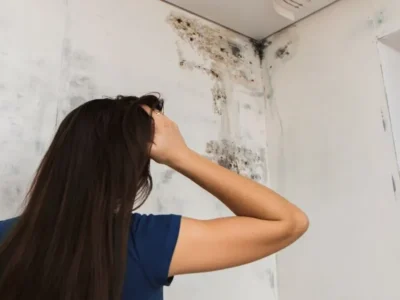
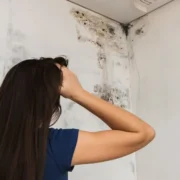
- Visible Mold Growth: While small patches can sometimes be tackled with DIY methods, extensive mold growth, especially if it recurs, suggests a deeper moisture problem that needs professional remediation.
- Sewage Backup Indicators: Foul odors, slow drains in multiple fixtures, or actual sewage backing up into sinks or toilets are clear signs of a significant plumbing blockage or septic system issue requiring immediate professional intervention.
Frequently Asked Questions about Home Upkeep
Regular home maintenance can feel like a complex undertaking, but understanding how to track tasks, what tools are needed, and how regional differences impact care can simplify the process.
How can I effectively track and organize my home maintenance tasks throughout the year?
Effective tracking and organization are key to staying on top of home maintenance without feeling overwhelmed. We recommend several strategies:
- Digital Home Profiles: Utilize apps or online platforms designed to store information about your home, including appliance models, service history, and recommended maintenance schedules. These often allow for setting reminders.
- Maintenance Calendars: Integrate recurring tasks into your digital calendar (e.g., Google Calendar, Outlook) or a physical wall calendar. Color-coding for monthly, seasonal, and annual tasks can make it visually clear.
- Service History Logs: Keep a dedicated binder or digital folder for all contractor receipts, warranties, and service reports. This helps track what work has been done, by whom, and when, which is invaluable for future repairs or when selling your home.
- Smartphone Reminder Alerts: Set up recurring reminders on your phone for monthly checks like testing smoke detectors or changing air filters.
- Physical Checklists: For those who prefer a tangible approach, printed checklists for each season or month can be very effective. Laminating them allows for reuse with a dry-erase marker.
- Organizing Contractor Receipts: Beyond just logging, categorize receipts by system (e.g., HVAC, plumbing, roofing) for easy reference.
What tools and supplies are essential for basic DIY home maintenance?
A well-stocked toolbox is a homeowner’s best friend. We don’t need to buy everything at once, but gradually building a collection of essential tools will empower us to handle many basic maintenance tasks ourselves.
- Basic Hand Tool Kit: This includes screwdrivers (Phillips and flathead), a hammer, pliers, an adjustable wrench set, a tape measure, and a utility knife.
- Cordless Drill: Invaluable for countless tasks, from hanging shelves to minor repairs. Ensure you have a good set of drill bits.
- Ladder: A sturdy step ladder and possibly an extension ladder (depending on your home’s height) are essential for reaching high places safely.
- Safety Gear: Always prioritize safety. This includes work gloves, safety glasses, a dust mask, and a first-aid kit. A fire extinguisher should be readily accessible.
- Caulk Gun and Caulk: For sealing gaps around windows, doors, and in bathrooms.
- Flashlight or Headlamp: For inspecting dark areas like attics, crawl spaces, or under sinks.
- Volt Tester: A non-contact voltage tester is a simple and safe way to check if an outlet or wire is live before working on it.
- Shop Vacuum: Excellent for cleaning up messes, especially in garages, basements, or after DIY projects.
- Emergency Repair Supplies: Keep essentials like duct tape, plumber’s tape, a basic plumbing wrench, and maybe some quick-set epoxy on hand for unexpected minor repairs.
How does home maintenance differ by climate or regional weather patterns?
Home maintenance is not a one-size-fits-all endeavor; it must adapt to the specific climate and regional weather patterns.
- Humidity Control in Coastal Areas: In humid regions, managing indoor humidity is critical to prevent mold and mildew. This involves ensuring proper ventilation, regularly checking for leaks, and potentially using dehumidifiers. Salt air also accelerates corrosion, requiring more frequent inspection and maintenance of outdoor metal fixtures.
- Hurricane Shutter Maintenance: In hurricane-prone areas, checking and maintaining hurricane shutters or impact-resistant windows is an annual pre-season task to ensure they are fully functional.
- Winterizing Pipes in Cold Climates: In regions with freezing temperatures, insulating pipes, disconnecting outdoor hoses, and ensuring proper heating are crucial to prevent burst pipes.
- Pool Care in Warm Regions: Homes with pools in warm climates require year-round pool maintenance, including chemical balancing, filter cleaning, and equipment checks.
- Desert Landscaping Needs: In arid regions, landscaping shifts from lush gardens to drought-resistant plants and efficient irrigation systems, which require different maintenance, focusing on drip lines and xeriscaping.
- Salt Air Corrosion Prevention: Coastal homes need to pay extra attention to metal components, like outdoor HVAC units, light fixtures, and railings, to prevent rust and corrosion accelerated by salt in the air. Regular cleaning and protective coatings are often necessary.
Conclusion
Our home is more than just a structure; it’s an investment, a sanctuary, and a reflection of our care. Embracing a proactive approach to Essential Home Maintenance is the most effective way to protect this valuable asset. By establishing routines for monthly checks, adapting to seasonal changes, and diligently maintaining major home systems, we can prevent minor issues from becoming costly repairs.
Consistent upkeep not only ensures the longevity of our property but also safeguards our family’s safety and enhances daily comfort. The statistics are clear: regular maintenance protects property value, saves money in the long run by preventing expensive emergencies, and even contributes to a positive return on investment. A well-maintained home offers peace of mind, allowing us to enjoy our living spaces without the constant worry of unexpected problems. Let us commit to these essential practices, securing our homes for years to come.





Comments