
 By
By 
Understanding the Levels and Styles of Drywall Finishing
Explaining the industry-standard levels of finish is crucial for any project in the Springfield, OH area, from a simple garage to a high-end living room. These levels dictate the quality of the surface preparation and the readiness for various types of paint and wall coverings. Choosing the right level ensures both aesthetic appeal and cost-effectiveness for your project.
The 5 Levels of Drywall Finish Explained
The Gypsum Association, a leading trade association, sets the standards for drywall finishing. Understanding these levels is key to communicating your expectations to a professional contractor and ensuring the final result meets your needs.
- Level 0: This is the most basic stage, where drywall panels are simply fastened to the studs or joists. No taping, mudding, or sanding has occurred. It’s typically used in temporary construction or areas that will remain unfinished, like attics or utility spaces that won’t be visible.
- Level 1: At this level, joint tape is embedded in joint compound over all seams. Excess compound is removed, but fasteners and corner beads may not be fully covered. This finish is suitable for areas where the drywall will be concealed, such as in plenum areas above ceilings, in service corridors, or where fire-rating is the primary concern and appearance is secondary.
- Level 2: All joints and interior angles have tape embedded in joint compound, and a thin coat of compound is applied over all fasteners and corner beads. This level is often chosen for garages, storage areas, or other spaces where the final surface will be covered with a heavy texture or tile. It’s not suitable for paint.
- Level 3: All joints and interior angles have tape embedded, and two separate coats of joint compound are applied over all joints, interior angles, and fastener heads. Corner beads are also covered. This is a common level for surfaces that will receive a medium to heavy texture, such as orange peel or knockdown, before painting. It provides a good base but may still show minor imperfections under smooth finishes or critical lighting.
- Level 4: This is the most common level for residential and commercial spaces that will be painted with flat paints or covered with a light texture or wallpaper. All joints and interior angles receive tape embedded in compound, and three separate coats of compound are applied over all joints, interior angles, and fastener heads. The surface is sanded smooth. While it provides a good, smooth surface, it may not be entirely flawless under critical lighting (light shining parallel to the wall) or with high-gloss paints.
- Level 5: The highest level of finish, Level 5, involves all steps from Level 4, plus a thin skim coat of joint compound applied over the entire surface of the drywall. This creates a uniform surface that virtually eliminates all minor imperfections, variations in porosity, and suction differences between the drywall paper and the joint compound. It is ideal for areas that will receive high-gloss or semi-gloss paints, or where critical lighting conditions will highlight every detail. This level provides the smoothest, most luxurious finish.
For most living areas in Springfield homes, a Level 4 finish is the standard, offering a smooth surface ready for paint. However, for a truly pristine look, especially in areas with abundant natural light or where deep, rich paint colors will be used, a Level 5 finish is often recommended.
Popular Drywall Textures in Springfield Homes
After the drywall is finished to the desired level, many homeowners in Springfield opt for a texture to add character, hide minor imperfections, or simply match existing styles. Local building trends and personal preferences heavily influence texture choices.
- Knockdown Texture: This is a very popular choice in Springfield, offering a subtle, rustic, yet refined look. It involves spraying a wet, lumpy compound onto the wall or ceiling, allowing it to partially dry, and then “knocking down” the peaks with a trowel or knife. The result is a flattened, irregular pattern that adds depth and warmth to a room. It’s excellent for hiding minor wall imperfections and is relatively easy to repair.
- Orange Peel Texture: Another favorite, orange peel texture resembles the bumpy surface of an orange peel. It’s applied by spraying a thin coat of joint compound onto the wall, creating a fine, splattered pattern. This texture is less dramatic than knockdown but still effective at concealing minor flaws. It’s easy to clean and often used in bathrooms, kitchens, and hallways due to its durability.
- Skip Trowel: This hand-applied texture creates a unique, Old World or Mediterranean feel. A thin layer of joint compound is applied to the wall with a trowel, then skipped over the surface, leaving behind irregular, raised patterns. The result is a subtle, artistic look that varies depending on the artisan’s technique. It’s perfect for adding character to living rooms or entryways.
- Smooth Finish: While technically not a “texture,” a smooth finish is a highly desired aesthetic, especially in modern and minimalist Springfield homes. Achieving a truly smooth finish requires a Level 4 or, ideally, a Level 5 drywall finish. This provides a sleek, clean look that maximizes light reflection and highlights paint colors. However, it also shows every imperfection, making the quality of the underlying drywall finishing paramount.
Local climate and building styles in Springfield can subtly affect texture choices. For instance, in older, more traditional homes, a light skip trowel or a very subtle knockdown might complement the existing architecture. In newer constructions, the trend leans towards smoother finishes or fine orange peel for a contemporary feel. The choice often comes down to balancing aesthetic preference, durability, and the ability to conceal minor wear and tear over time.
The Step-by-Step Professional Finishing Process
A quality finish isn’t a single step, but a meticulous process. Understanding these stages helps you appreciate the craftsmanship involved and why hiring an experienced professional can make all the difference. From the initial taping to the final sanding, each phase builds upon the last to create a durable and aesthetically pleasing surface.
Step 1: Taping and First Coat
The first critical step in achieving a seamless drywall surface is taping the joints and applying the initial layer of joint compound, often called “mud.” This stage is crucial because it establishes the foundation for a smooth, crack-resistant wall.

Professionals begin by carefully applying joint tape over all seams where two drywall panels meet. There are two main types of tape:
- Paper Tape: This is the most common and traditional choice. It’s strong, thin, and provides excellent adhesion when embedded in joint compound. It’s particularly effective for flat seams and interior corners.
- Fiberglass Mesh Tape: This self-adhesive tape is easier to apply for beginners as it doesn’t require a bed coat of mud. However, it’s generally recommended for minor repairs or when using setting-type compounds, as it can be prone to cracking if not properly covered with multiple layers of mud. For professional, long-lasting results on new installations, paper tape is often preferred.
Once the tape is in place, the first coat of joint compound is applied. This involves carefully spreading a layer of mud over the tape, ensuring it’s fully embedded and that all air bubbles are removed. The goal is to fill the recess of the tapered edges of the drywall panels, creating a relatively flat surface. Fastener heads (screws or nails) are also covered with a thin layer of mud. This initial coat is critical for strong adhesion and preventing future cracks. After application, this coat must dry completely, which can take several hours depending on humidity and temperature.
Step 2: Subsequent Coats and Smoothing
After the first coat has thoroughly dried, the subsequent layers of joint compound are applied. This is where the true art of “feathering” comes into play, gradually building up the surface to create a perfectly flat and seamless transition between panels.
The second coat of mud is applied wider than the first, extending beyond the taped joint. This helps to further embed the tape and begin to feather the edges, making the joint blend smoothly with the surrounding drywall. Any imperfections from the first coat are addressed. This coat also covers the fastener heads more comprehensively.
Following the second coat’s drying time, a third, even wider coat is applied. This final layer of mud is feathered out even further, often several inches beyond the previous coats, to ensure a virtually undetectable transition. Professionals are highly skilled at applying these coats evenly and smoothly, minimizing the need for excessive sanding later. Imperfections like small bumps or depressions are carefully filled.
In cases where walls are severely damaged, uneven, or if a Level 5 finish is desired, a “skim coat” may be applied. This involves spreading a very thin layer of joint compound over the entire surface of the drywall, not just the seams. This creates a uniformly smooth and consistent surface, ideal for high-gloss paints or critical lighting conditions. Each coat requires adequate drying time, which can vary significantly based on the type of compound used, temperature, and humidity levels. Rushing this process can lead to cracking, bubbling, or an uneven finish.
Step 3: Sanding and Final Touches
The final stage of drywall finishing is sanding, a meticulous process that transforms the layered joint compound into a perfectly smooth surface ready for primer and paint. This step requires precision and attention to detail to avoid creating imperfections that will show through the final coat.

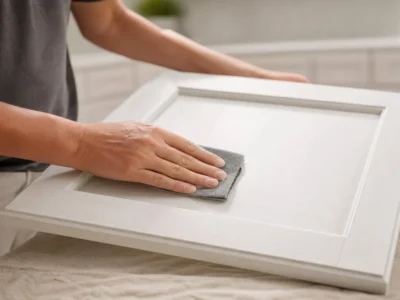
Sanding techniques vary, but the goal is always to create a flat, seamless surface without leaving gouges or uneven spots. Professionals often use specialized tools like pole sanders for large areas, or hand sanders for detailed work around corners and edges. Fine-grit sandpaper is typically used to achieve a silky-smooth finish.
Dust control is a major consideration during sanding. Drywall dust is extremely fine and can quickly permeate an entire home. Professional finishers employ various methods to minimize dust, including:
- Dustless Sanders: These tools connect to a vacuum system that captures dust as it’s created.
- Wet Sanding: Using a damp sponge instead of sandpaper can significantly reduce airborne dust, though it requires more skill to avoid damaging the mud.
- Containment: Sealing off the work area with plastic sheeting and using exhaust fans can help prevent dust from spreading to other parts of the home.
After the sanding is complete, a thorough final inspection is performed. The surface is checked for any remaining imperfections, bumps, or depressions. Often, a bright light is shined parallel to the wall (critical lighting) to reveal any subtle flaws that might otherwise go unnoticed. Any minor issues are spot-sanded or touched up with a thin layer of mud and then re-sanded. The goal is to achieve a surface that is perfectly smooth, clean, and ready to accept primer and the final paint coat, ensuring a beautiful and durable result.
DIY vs. Hiring a Pro for Drywall Finishing in Springfield
Deciding between a DIY project and hiring a professional is a major consideration for any homeowner in Springfield. While tackling drywall finishing yourself might seem like a way to save money, achieving a truly flawless finish requires significant skill, patience, and experience.
The Pros and Cons of DIY Finishing
Pros:
- Cost Savings: This is often the primary motivator. By doing the work yourself, you save on labor costs, which can be a significant portion of a drywall finishing project.
- Project Control: You have complete control over the schedule, materials, and every detail of the work.
- Sense of Accomplishment: Completing a home improvement project yourself can be incredibly rewarding.
Cons:
- Common DIY Mistakes: Drywall finishing is deceptively difficult to master. Common mistakes include:
- Visible Seams: If tape isn’t properly embedded or enough mud isn’t applied and feathered, the seams between panels will be noticeable, especially under certain lighting.
- Uneven Texture/Mud Application: Inconsistent mud application leads to bumps, ridges, or depressions that stand out.
- Sanding Gouges: Over-sanding or using too coarse sandpaper can create unsightly gouges in the drywall or mud.
- Cracking: Improper mud consistency, insufficient drying time, or improper taping can lead to cracks appearing later.
- Time Commitment: Drywall finishing is a multi-day process involving multiple coats and extensive drying times. It can easily consume your evenings and weekends for weeks, especially for larger areas.
- Tool Requirements: While basic tools are inexpensive, achieving professional results often requires specialized tools like mud pans, various trowels, pole sanders, and potentially dust extraction systems.
- Physical Demands: It’s a physically demanding job, involving repetitive motions, working overhead, and dealing with fine dust.
- Learning Curve: There’s a steep learning curve. Your first attempts may not meet your expectations, potentially leading to frustration and the need for costly rework.
How to Choose the Right Springfield Contractor
When the decision swings towards hiring a professional, knowing what to look for in a contractor is paramount. Springfield boasts many skilled professionals, but selecting the right one ensures a smooth process and a superior finish.
- Experience and Portfolio: Look for contractors with extensive experience specifically in drywall finishing. Ask to see a portfolio of their completed work, paying close attention to photos of smooth walls, crisp corners, and consistent textures. Companies like The Finishing Touch Drywall, with over 20 years of experience in Springfield, MO, or Apex Drywall Finishing L.L.C., with 18 years, demonstrate a proven track record.
- Licensing and Insurance: Always verify that the contractor is properly licensed and insured. This protects you from liability in case of accidents or damage during the project.
- Customer Reviews and References: Check online reviews on platforms like Google, Yelp, or the Better Business Bureau. Look for consistent positive feedback regarding quality of work, professionalism, communication, and adherence to timelines. Lockwood Finishes, for example, receives consistent 5-star reviews for meticulous drywall repair. Don’t hesitate to ask for references you can contact directly.
- Detailed Estimates: A reputable contractor will provide a clear, written estimate that breaks down the costs, outlines the scope of work (e.g., Level of finish, texture type), and specifies materials. Be wary of vague or unusually low bids.
- Communication: Effective communication is key. The contractor should be responsive to your inquiries, clear about the process, and provide updates on progress.
- Additional Services: Many drywall finishers also offer related services that can streamline your project. This might include painting, insulation, or even minor repairs. Superior Interiors, for instance, offers comprehensive drywall and painting services, which can simplify coordination if you need both.
- Eco-Friendly Options: For those concerned about environmental impact and indoor air quality, inquire about eco-friendly drywall finishing options. Many modern contractors, including those focused on sustainable practices, offer low-VOC (Volatile Organic Compound) joint compounds and paints. These materials reduce harmful emissions, contributing to a healthier indoor environment during and after the project. When you discuss your project, be sure to ask about Eco-friendly drywall finishing Springfield options to ensure your contractor can accommodate your needs.
Budgeting and Timelines for Your Project
Understanding the potential costs and time involved helps you plan your renovation or new construction project in Springfield more effectively. Drywall finishing is an investment, and knowing what to expect financially and chronologically can prevent surprises.
Estimating Drywall Finishing Costs
The cost of drywall finishing in Springfield, like anywhere else, can vary significantly based on several factors. It’s difficult to provide an exact figure without a detailed assessment, but we can outline the key influences:

- Cost per Square Foot: While contractors often quote per square foot for material and labor, this rate isn’t static. It typically ranges from $0.50 to $2.00+ per square foot for finishing alone, not including hanging the drywall. This wide range accounts for the factors below.
- Influence of Finish Level: This is perhaps the most significant cost driver.
- Level 0-2: Least expensive, as minimal finishing is required.
- Level 3-4: Standard residential cost. Level 4 will be more expensive than Level 3 due to the additional coats and sanding.
- Level 5: Most expensive, due to the full skim coat over the entire surface, requiring more material and significantly more labor and skill.
- Repair Work vs. New Installation: Patching small holes or repairing water damage can sometimes be quoted per patch or hourly, rather than per square foot. Extensive repair work might approach new installation costs if large sections need replacement. Small repairs might be a few hundred dollars, while larger patches could be more.
- Texture Complexity: Applying textures like knockdown or orange peel adds to the cost compared to a smooth finish, as it requires additional material and specialized application techniques. A smooth (Level 5) finish is often the most expensive due to the labor intensity.
- Labor Rates in the Clark County Area: Labor costs are influenced by local economic conditions, contractor experience, and demand. Highly experienced professionals with excellent reputations may charge more, but often deliver superior results and efficiency.
- Project Size: Larger projects might receive a slightly lower per-square-foot rate due to economies of scale, while very small jobs (e.g., a single patch) might have a higher effective rate or a minimum service charge.
- Material Costs: While joint compound and tape are relatively inexpensive, specialized materials for Level 5 finishes or specific textures can add to the overall material budget.
These are general estimates. For an accurate quote, always get a detailed, written estimate from a local Springfield drywall finishing contractor after they have assessed your specific project.
How Long Does Drywall Finishing Take?
The duration of a drywall finishing project is highly dependent on its scope, the chosen finish level, and environmental factors like humidity. Rushing the process, especially drying times, can severely compromise the quality and durability of the finish.
- Small Repairs: Patching a few small holes or minor cracks can often be completed in 1-2 days. This includes application of mud, drying time, and sanding.
- Single Room: Finishing a typical room (e.g., a bedroom or living room) can take anywhere from 2-4 days. This accounts for multiple coats of mud with adequate drying time between each, followed by sanding and final inspection.
- Whole House: For an entire home, especially new construction or a full renovation, the finishing process can extend to 1 week or more, depending on the size of the house and the number of rooms. This includes all levels of finishing, from taping to final sanding.
- Factors Affecting Timeline:
- Humidity and Drying Time: This is a critical factor, especially in a climate like Ohio’s, which can experience high humidity. Each coat of joint compound needs to dry completely before the next can be applied. High humidity significantly slows down drying times, potentially adding days to a project. Professionals often use dehumidifiers and fans to control the environment and accelerate drying.
- Project Size and Complexity: Larger areas naturally take longer. Intricate architectural details, numerous corners, or a desire for a Level 5 finish will also extend the timeline due to the increased labor and precision required.
- Contractor’s Schedule: The availability of your chosen contractor and their crew will also influence the start and completion dates.
A reputable contractor will provide a realistic timeline during the estimation phase, taking into account all these variables to manage your expectations effectively.
Frequently Asked Questions about Drywall Finishing
We often hear common questions from Springfield homeowners and businesses about drywall finishing. Here are some of the most frequent inquiries and our expert insights.
What is the difference between a Level 4 and a Level 5 finish?
The primary difference lies in the extent of the joint compound application and the resulting surface uniformity. A Level 4 finish is the industry standard for most residential walls and is typically ready for non-glossy paints (flat, matte, or eggshell). It involves tape embedded in joint compound, with three separate coats of compound applied over all joints, interior angles, and fastener heads, then sanded smooth. While good, under critical lighting (light shining parallel to the wall) or with high-sheen paints, you might still detect subtle imperfections or differences in the surface texture between the drywall paper and the mudded areas.
A Level 5 finish, on the other hand, takes it a step further. After all the steps of a Level 4 finish are completed, a very thin skim coat of joint compound is applied over the entire surface of the drywall panels. This full skim coat creates a perfectly uniform, monolithic surface, eliminating any variations in porosity or texture. This makes it ideal for high-gloss or semi-gloss paints, dark colors, or areas where critical lighting conditions will highlight every detail. It provides the smoothest, most luxurious, and most durable base for your paint.
Can you finish drywall in a humid climate like Ohio’s?
Yes, drywall finishing can certainly be done in a humid climate like Ohio’s, but professionals take specific precautions to ensure a high-quality outcome. High humidity significantly slows down the drying time of joint compound. If mud doesn’t dry completely between coats, it can lead to issues like cracking, bubbling, or a weakened bond.
Experienced contractors in Springfield will:
- Control the Environment: They may use dehumidifiers to extract moisture from the air and fans to promote air circulation within the work area.
- Adjust Drying Times: They will allow for extended drying times between coats, understanding that rushing the process is detrimental to the finish’s integrity.
- Use Appropriate Materials: Some types of joint compound dry faster or are less susceptible to humidity issues than others.
- Monitor Conditions: They will monitor temperature and humidity levels to ensure optimal conditions for drying and application.
While humidity can extend the project timeline, it does not prevent a professional from achieving an excellent, long-lasting drywall finish.
Why are my drywall seams cracking?
Drywall seams cracking can be a frustrating issue, and it’s usually a sign of underlying problems. Several factors can contribute to this common problem:
- Improper Taping or Mudding: This is the most frequent cause. If the joint tape wasn’t properly embedded in the mud, or if insufficient mud was applied over the tape, the seam can weaken and crack. If the mud was too thin or too thick, it can also lead to issues.
- Building Settling or Movement: All homes experience some degree of settling or movement over time due to changes in temperature, humidity, or foundation shifts. If the drywall installation or finishing wasn’t robust enough to accommodate this minor movement, cracks can appear at the seams.
- Insufficient Drying Time: Rushing the drying process between coats of joint compound can trap moisture, leading to shrinkage and cracking later on.
- Structural Issues: In more severe cases, significant cracking might indicate underlying structural problems with the building’s framing, which would require a professional assessment beyond just drywall repair.
- Temperature and Humidity Fluctuations: Extreme and rapid changes in indoor temperature and humidity can cause the drywall and framing to expand and contract, putting stress on the seams.
A professional can diagnose the specific cause of the cracking and perform a durable repair, often by re-taping and re-mudding the affected area with proper techniques to prevent recurrence.
Conclusion
A high-quality drywall finish is the foundation of any beautiful interior space. It ensures walls and ceilings are smooth, durable, and ready for the perfect coat of paint. From the initial hanging of the panels to the final, meticulous sanding, each step contributes to the overall aesthetic and longevity of your home’s surfaces. Understanding the different levels of finish allows you to specify the exact quality needed for each area, optimizing both appearance and budget.
Whether you’re tackling a small repair, undertaking a major renovation, or building a new home in Springfield, understanding the process, the various finish levels, and the benefits of a professional job ensures your walls will look their best for years to come. Investing in expert drywall finishing is an investment in your home’s value, appearance, and overall comfort. Your walls will indeed thank you for the flawless canvas you provide.


Comments