 By
By 
Key Takeaways
- Routine plumbing inspections help catch issues before they become widespread problems.
- Correct disposal habits are key to avoiding clogged drains and pipes.
- Insulating and protecting pipes is necessary in regions with cold winters.
- Quick action on leaks prevents water waste and structural damage.
Table of Contents
- Regular Inspections and Maintenance
- Proper Disposal Habits
- Protecting Pipes from Freezing
- Addressing Leaks Promptly
- Maintaining Water Pressure
- Cleaning and Maintaining Fixtures
- Preparing for Vacations
- Conclusion
Plumbing issues can be among the most disruptive problems for homeowners. A well-maintained plumbing system helps keep homes comfortable and safe, reducing the chances of inconvenient and costly repairs. Taking practical steps to avoid leaks, clogs, and water damage pays off in the long run. Whether you are facing plumbing concerns or planning ahead, consulting a local plumber can help you ensure your home’s systems remain in top shape.
Some of the most common plumbing problems can be avoided with regular attention and a few simple habits. Proactive care not only preserves plumbing but also contributes to lower utility bills and protects your property from damage. Understanding the importance of simple checks, proper usage, and early detection will empower you to keep your home’s plumbing running smoothly while preventing emergencies.
One of the most effective ways to extend the life of your pipes and fixtures is to stay informed on the best prevention strategies. Simple maintenance tasks, performed regularly, can significantly reduce the risk of unnoticed leaks or blockages that escalate into serious issues. Protecting against extreme temperatures and learning the correct disposal habits also play major roles in plumbing health.
Beyond basic maintenance, keeping an eye on changes in water flow, unexplained spikes in your water bill, or damp spots on ceilings and walls can help you catch issues early. If a clog develops, seeking advice or services like professional drain cleaning can prevent further damage and maintain efficiency.
Regular Inspections and Maintenance
Inspecting your plumbing system on a routine basis helps you identify leaks, worn gaskets, and other problems before they can cause extensive damage. Check faucets, showerheads, and pipes beneath sinks for any signs of moisture. If you notice small drips or damp spots, replace washers or tighten connections as needed. Being attentive to your system’s condition is a fundamental step in extending its lifespan and avoiding larger, expensive repairs. According to Consumer Reports, early detection of plumbing issues can reduce repair costs significantly as well as help preserve property values.
Proper Disposal Habits
Pipes and drains are designed to handle water and specific materials. Never pour grease, fats, or oils down the drain as they solidify and lead to blockages. Food scraps, coffee grounds, and non-dissolvable hygiene products also pose clogging risks. Only toilet paper should be flushed, and using sink strainers can catch particles before they enter your system. These habits prevent accumulation in pipes and ensure that water keeps flowing freely.
Protecting Pipes from Freezing
Cold weather poses a significant threat to plumbing, especially for pipes located in unheated spaces like basements or exterior walls. When water freezes, it expands and can burst pipes, leading to major leaks. To avoid this, insulate exposed pipes using foam sleeves and keep indoor temperatures consistent. Sealing cracks or gaps where cold air can enter also helps. During a severe cold, letting a trickle of water run through the faucet can prevent freezing. Consumer Reports recommends keeping cabinet doors open under sinks to allow warm air to circulate around pipes in particularly cold areas.
Addressing Leaks Promptly
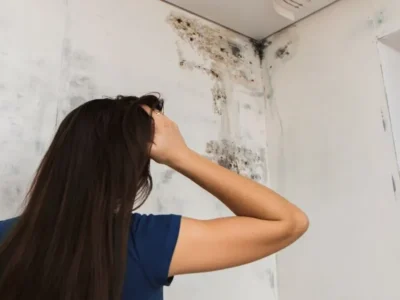
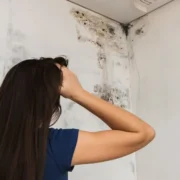
Leaks, even minor ones, can cause mold, mildew, and structural issues over time. If you detect higher water bills, unusual damp patches, or hear running water when all taps are closed, investigate immediately. Addressing leaks quickly minimizes water waste and prevents damage to floors, walls, and ceilings. If you discover a leak but cannot fix it yourself, contacting a professional is the safest option to nip the problem in the bud.
Maintaining Water Pressure
Water pressure that is too high can damage pipes, while low pressure may be a sign of a hidden leak or partial blockage. A pressure gauge attached to an outdoor spigot can help you monitor your home’s water pressure. Normal pressure usually ranges between 40 and 60 psi. If you are uncertain about your water pressure or notice changes, discuss the matter with a plumber who can diagnose and resolve any issues. Installing a pressure regulator is a straightforward means of protecting your plumbing system.
Cleaning and Maintaining Fixtures
Fixtures such as faucets, showerheads, and toilets benefit from routine cleaning. Mineral deposits build up over time, especially in areas with hard water, and can block water flow or discolor fixtures. Use a mild cleaner to gently scrub buildup and avoid using harsh chemicals that could degrade finishes or inner components. Maintenance ensures that fixtures continue to operate efficiently and maintain their appearance for years.
Preparing for Vacations
Before leaving for an extended period, check all visible pipes for signs of moisture or leaks. Clear drains to ensure that no blockages will cause overflows while you are away, and perform a test run of appliances like dishwashers and washing machines. Turn off water valves to toilets and sinks if possible, and consider shutting off the main water supply to minimize the risk of flooding while away from home. Small steps, such as unplugging hoses and securing the water heater, can offer further peace of mind when your home is unoccupied.
Conclusion
Taking preventive measures is the best way to avoid plumbing emergencies and keep your home’s system in working order. Regular inspections, good habits, and immediate attention to issues keep your plumbing efficient and dependable. Staying proactive protects your property and saves you money and stress in the long run.




Comments