
 By
By 
Key Takeaways
- Specialists identify the root cause of moisture to prevent mould from returning.
- Professional cleaning removes microscopic spores that DIY methods often miss.
- Protecting indoor air quality reduces the risk of respiratory issues for residents.
- Early intervention by experts saves high costs on structural repairs.
Introduction
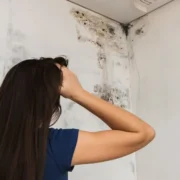
We have all seen it at some point. That small, fuzzy green or black patch in the corner of the bathroom or behind a wardrobe. It seems harmless enough, right? You might reach for a bottle of supermarket spray and give it a good scrub. But here is the thing: what you see is often just the tip of the iceberg. In our tropical climate, humidity is a constant companion, and mould loves nothing more than a damp, poorly ventilated corner. This is where a mould specialist in Singapore becomes your most valuable ally. They do not just wipe away the mess; they understand the biology of what is growing in your home. Dealing with fungus is not just a cleaning task; it is a technical challenge that involves managing air quality and structural integrity.
The Science of Identifying the Source
A specialist does not start with a brush; they start with an investigation. Why is the mould there in the first place? It might be a pinhole leak in a pipe, rising damp from the ground, or simply a lack of cross ventilation. When you hire professional services, you are paying for diagnostic expertise. They use moisture meters and thermal imaging cameras to see what is happening inside your walls. You know what? Most homeowners are shocked to find that the source of their problem is actually two rooms away from where the visible mould appeared. By identifying the exact source of moisture, the specialist ensures that once the mould is gone, it stays gone. This prevents the endless cycle of scrubbing and regrowth that frustrates so many people.
Health Implications and Air Quality
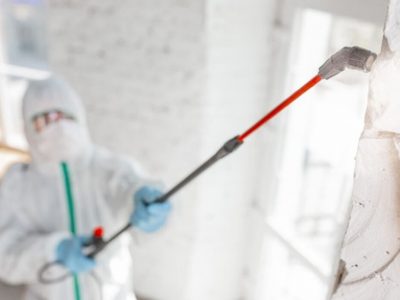
We often forget that mould reproduces by releasing tiny spores into the air. These spores are invisible, but they are incredibly hardy. If you have been feeling a bit “off”, perhaps a persistent cough, itchy eyes, or a stuffy nose, your home might be the culprit. A mould specialist in Singapore takes air samples to determine the concentration of these spores. For people with asthma or allergies, these microscopic invaders can cause serious distress. Professionals use HEPA filtration systems to scrub the air during the cleaning process. This ensures that while they are removing the visible growth, they are not accidentally spreading millions of spores throughout the rest of your house. It is about making your living space truly breathable again.
Preserving Property Value and Structure
Mould is a silent destroyer. It feeds on organic materials like drywall, wood, and even certain types of paint. If left unchecked, it can literally digest the structural elements of your home. Think about your built-in wardrobes or your expensive timber flooring. Once the fungus takes hold inside these materials, they often need to be completely replaced. By engaging professional services early, you are actually engaging in a form of financial protection. A specialist can treat many surfaces without needing to tear them down, provided the problem is caught in time. They use industrial-grade solutions that penetrate deep into the material to kill the “roots” of the fungus. This proactive approach saves you from the massive bills associated with full-scale renovations later on.
The Limitations of DIY Methods
It is tempting to think that a bit of bleach will solve the problem. Honestly, bleach can sometimes make the situation worse on porous surfaces. It kills the colour on the surface but leaves the moisture behind, allowing the mould to grow back even stronger. A specialist uses specialised antimicrobial treatments that are safe for your family but lethal to fungi. They also have the protective gear to handle toxic varieties of mould safely. You do not want to be breathing in those fumes or spores without a proper respirator. Beyond the tools, it is the experience of knowing where mould hides, under floorboards, inside ceiling voids, and behind skirting boards, that makes the professional approach so much more effective than a Saturday morning DIY project.
Conclusion
Protecting your home from mould is a multi-step process that requires more than just a quick wipe down. It involves moisture control, air purification, and the right chemical treatments to ensure a long-term solution. When you prioritise your indoor environment, you are investing in the health of your family and the longevity of your property. Do not wait until the smell becomes unbearable or the patches become too large to hide. Taking action now is the smartest move any homeowner can make. If you are worried about dampness or visible growth, Mouldgone is here to provide the expertise you need. Contact us today to schedule an inspection and keep your home safe and fresh.






Comments