
 By
By 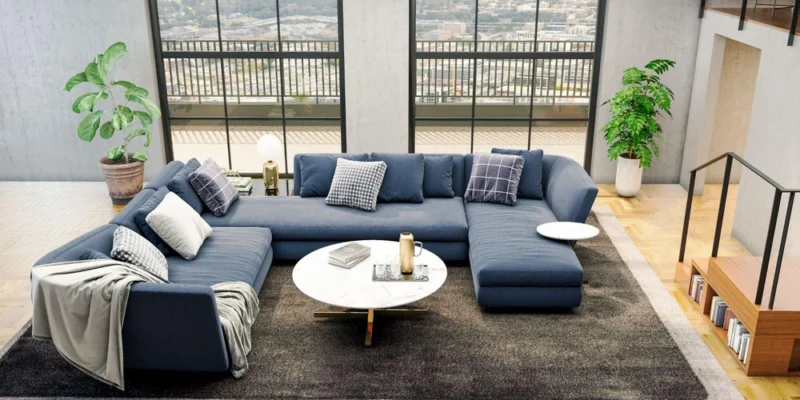
Key Highlights
- An L-shaped sofa provides a natural boundary that separates the living area from the dining or kitchen space without using walls.
- These versatile pieces maximise seating capacity, making them ideal for urban apartments and family gatherings.
- Strategic placement of sectional furniture improves the visual flow and creates a more organised, intentional home layout.
Introduction
Open-concept living has become the hallmark of modern residential design, especially within urban environments. By removing traditional walls, homeowners can enjoy a sense of spaciousness and better natural light. However, without the structural guidance of walls, these large areas can sometimes feel disjointed or lacking in purpose. The challenge lies in creating distinct functional zones while maintaining the room’s airy feel, which is where strategic furniture choices become essential for a successful interior layout.
When browsing for furniture in Singapore, many residents look for pieces that offer both style and clever space management. The layout of your living room often dictates the atmosphere of the entire home, serving as a place for relaxation, entertainment, and family bonding. To make an open-plan space work effectively, you need an anchor that provides structure. A well-chosen sectional piece can serve as the foundation of your design, ensuring that every square metre is utilised efficiently and looks aesthetically pleasing.
Creating Invisible Boundaries Between Zones
One of the most significant advantages of an L-shaped sofa is its ability to act as a physical yet unobtrusive room divider. In an open-plan layout, it can be difficult to tell where the kitchen ends and the lounge begins. By positioning the longer side of the sofa across the room, you create a wall that clearly demarcates the seating area. This helps to contain the living space, making it feel more intimate and focused. Unlike actual walls or heavy shelving units, this furniture-based boundary keeps the line of sight open, ensuring the room remains bright and expansive.
This zoning technique is particularly useful for those who want to maintain a social connection between different parts of the home. For instance, someone preparing a meal in the kitchen can still engage with others sitting in the living area. The L-shaped sofa provides enough of a barrier to keep the lounge feeling like a separate sanctuary, yet it does not isolate the occupants. This balance is crucial for creating a home that feels both organised and communal. It allows for a structured lifestyle within a modern, borderless architectural framework.
Maximising Seating Efficiency in Urban Homes
Space is a premium commodity for many looking for furniture in Singapore, and the efficiency of a sectional sofa cannot be overstated. Standard three-seater sofas often leave corner spaces underutilised or require additional armchairs that can clutter a room. An L-shaped sofa, however, fits perfectly into corners or extends out to provide a continuous run of seating. This design naturally accommodates more people in a smaller footprint, making it an ideal choice for families or individuals who enjoy hosting guests for movie nights or social gatherings.
The extended chaise portion of the sofa also offers a versatile spot for relaxation that a traditional sofa cannot provide. It allows one person to lounge comfortably with their legs up while leaving plenty of room for others to sit upright. This multi-functional aspect means you may not need as many peripheral pieces of furniture, which keeps your floor plan clean and uncluttered. By consolidating your seating into one substantial, high-quality piece, you create a more streamlined look that enhances the overall sense of order in your living environment.
Enhancing Visual Flow and Comfort
The geometry of an L-shaped sofa can also be used to direct the flow of movement through a home. By aligning the sofa with the natural pathways of the room, you can guide traffic away from the quiet zone of the seating area. This prevents the living room from feeling like a thoroughfare, which is a common issue in open-concept designs. Furthermore, the shape of the sofa encourages a more inclusive seating arrangement. Because the seats are angled toward each other, it facilitates face-to-face conversation, making the space feel more welcoming and social.
Beyond its practical benefits, the visual impact of a large sectional adds a sense of luxury and completeness to a room. It serves as a bold focal point that ties together other design elements, such as coffee tables, rugs, and media units. When you choose a design that complements your colour palette and architectural style, the sofa becomes more than just a place to sit; it becomes a key part of your home’s identity. The combination of structured zoning, high seating capacity, and improved room flow makes the L-shaped sofa a superior choice for modern living.
Conclusion
Defining an open-concept space requires a thoughtful approach to furniture placement and selection. An L-shaped sofa offers a unique combination of structural benefits and comfort, making it a powerful tool for any homeowner. By creating invisible boundaries, maximising seating, and improving the flow of your home, this piece of furniture helps you make the most of an open-plan layout. When you invest in the right pieces, you transform a large, empty area into a series of purposeful, beautiful zones that truly feel like home.
To find the perfect sectional for your open-plan home, contact Maxi Home Living and let our experts help you choose the ideal piece for your space.







Comments